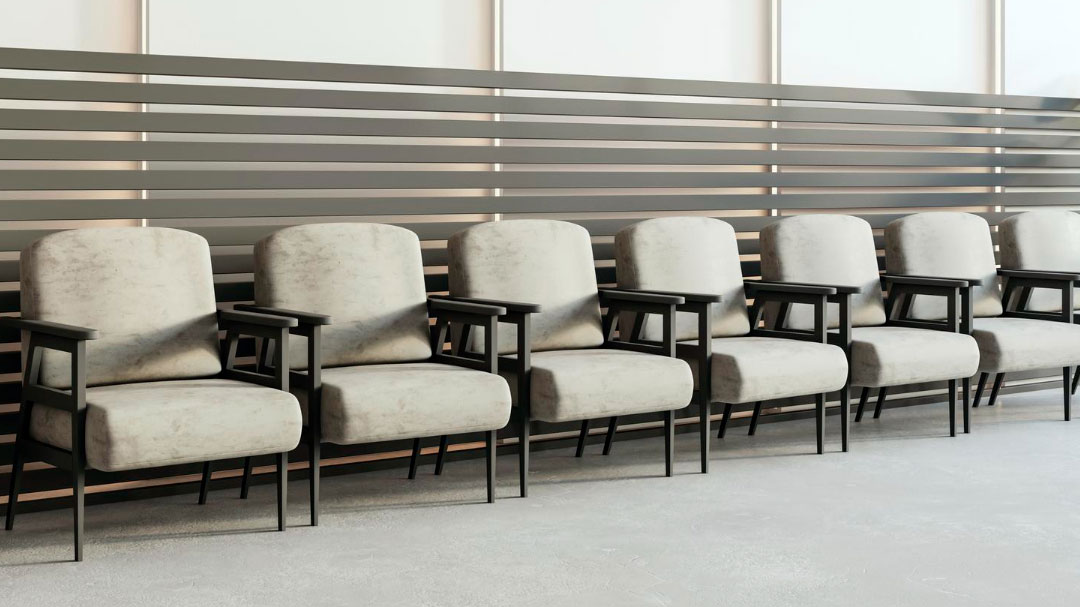
Like the rest of the healthcare system, the choice of furniture throughout the MRI facility is important. Comfortable chairs and tables can help make waiting areas less stressful. MR personnel who spend long periods sitting require supportive chairs and stools. Even various storage options like cabinets and carts are needed to keep equipment organized for efficient workflow.
However, standard healthcare furniture is typically constructed from ferromagnetic materials. If they come into the MR environment, these pieces of furniture can become dangerous projectile hazards.
Luckily, MRI furniture is evaluated for MRI safety and labeled according to ASTM International as MR Safe, MR Conditional, or MR Unsafe. In most cases, MRI furniture receives an MR Conditional designation. MRI furniture is commonly constructed from non-magnetic or non-ferromagnetic materials to meet MRI safety guidelines and help facilities maintain safe workflows without sacrificing patient comfort and staff efficiency.
Furniture Options for MRI Facilities
MRI furniture needs to be durable, efficient, and meet the needs of various individuals. Because of this, it is important to consider various options for waiting rooms, personnel seating, and safe storage options.
Waiting Room Furniture
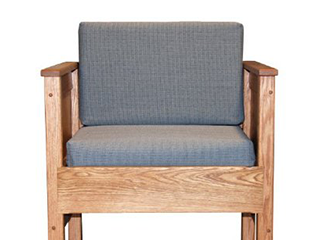
MRI waiting room furniture can affect the experience patients and visitors have while going through an MRI appointment. The right chairs and sofas can create a welcoming environment that may help reduce anxiety and stress. These furniture options also provide durable seating for high-traffic waiting areas. Various tables that are MR Conditional can allow a place to set items down and hold reading material for those waiting. Additionally, furniture designed for pediatric and bariatric patients can provide comfort for anyone of any age or size.
Some MRI facilities offer outdoor seating as well for patients and visitors. If these seating areas are located near the exterior wall of an MRI suite, facilities should verify that the furniture meets the site’s MRI safety requirements.
Doctor Stools
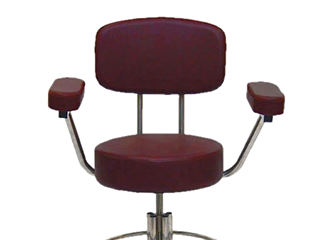
MRI room furniture considerations for MR personnel are also important. Traditional doctor stools or chairs are commonly built from ferromagnetic materials that can become dangerous projectile hazards inside the MR environment.
Comfortable MR Conditional stools provide a spot for MR personnel to sit, even near the MRI scanner. Doctor stools come in a wide range of options. These can include padded or unpadded seats, with or without arms, with or without casters, height-adjustable, and stackable models.
Comfortable seating helps MR personnel work effectively during long MRI scans and procedures.
MRI Room Storage
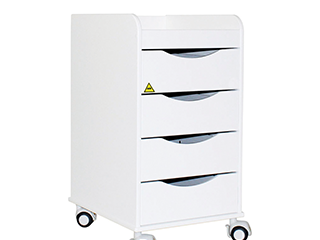
Various MRI storage options like cabinets, carts, and desks help organize the equipment and supplies MR personnel need for different scanning procedures. MRI coils, positioning aids, surgical tools, paperwork, procedure supplies, and patient comfort products all need to be organized for quick access in high-paced facilities. MR Conditional cabinets, carts, and desks can be constructed from materials such as polypropylene, wood, stainless steel, aluminum, PVC, or other plastics. MRI storage options are also designed to be durable and easy to clean.
Some MRI suites must function in a limited space or have fast-paced scan turnarounds. Many MRI carts and desks can have a condensed footprint to fit where they are needed. These storage options can also be mobile so they can be repositioned quickly as needed. MRI cabinets can also be wall mounted for efficient use of space.
Choosing the Right MRI Furniture
Many MRI facilities put time into selecting furniture throughout their space. Verifying the MRI furniture’s MRI safety labeling and conditions of use is an important consideration. This is especially important for furniture that will be brought into the MR environment. Knowing the weight capacities and styles for waiting room furniture is important while planning for patient demographics. Facilities that frequently scan bariatric patients may benefit from additional bariatric seating options.
Other factors that play into the decision are the location the furniture will be placed in, durability, and infection control. Most MRI furniture is constructed with durable materials that are corrosion- and chemical-resistant for easy cleaning and infection control needs. By putting in the time to find the right furniture, MRI facilities can provide patients and staff with the comfort and support they need.
Frequently Asked Questions
Yes, facilities have seating options available for companions. These options are verified as MR Safe or MR Conditional, depending on the product, before they are brought into the MR environment.
Many MRI utility tables are commonly MR Conditional. They can be constructed from non-magnetic stainless steel, PVC, or aluminum. They can be designed with casters for easy movement and repositioning.
Explore MRI Furniture for Every Zone
MRIequip carries various waiting room furniture, outdoor furniture, doctor stools, and storage options to fit a wide range of MRI facilities’ needs. Many of our products are proudly designated as MR Conditional up to 7T or less.