Equipment
MRI equipment insights for imaging teams
Explore practical overviews of MR Safe and MR Conditional equipment—what it’s for, how it fits MRI workflows, and what to verify before it enters the scan environment.
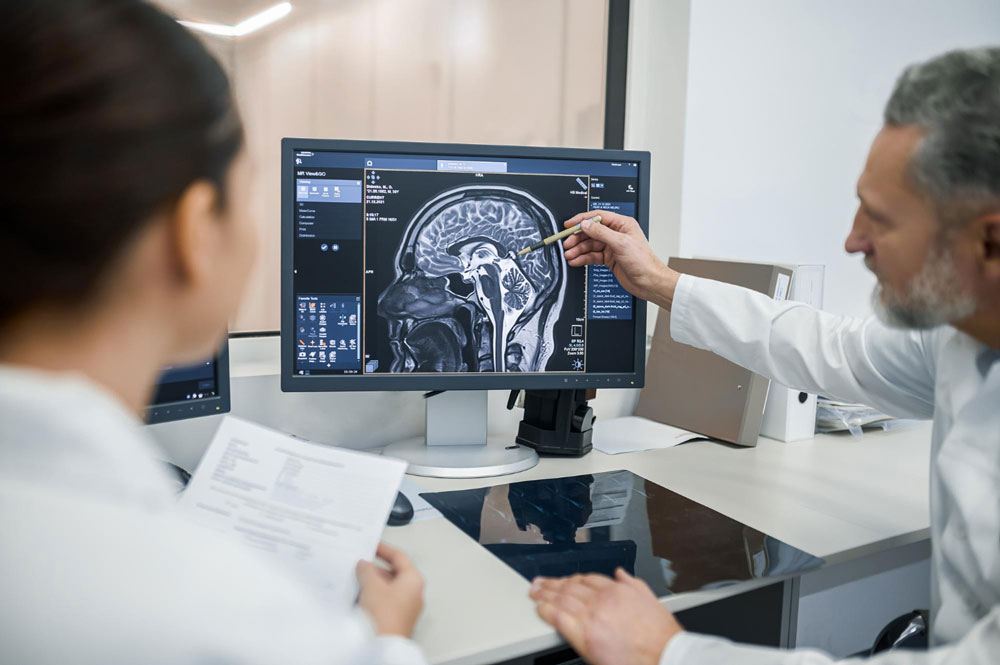
Categories
What you’ll find here
MRI Equipment content is organized to help you move from quick orientation to confident purchasing conversations. Explore common MRI equipment categories, understand how MR Safe and MR Conditional products fit into clinical workflows, and learn what to verify before equipment enters the MRI environment.
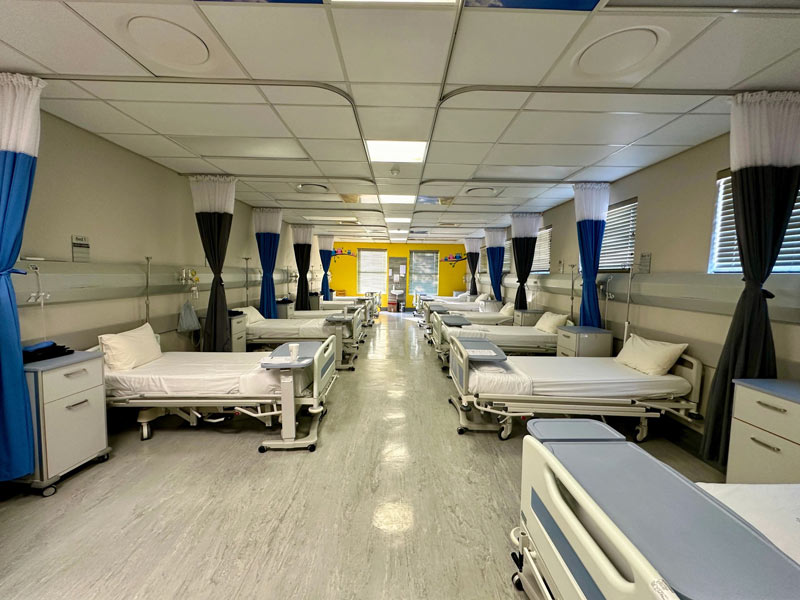
Patient transport
Stretchers, wheelchairs, transfer devices, and accessories—what “MR Conditional” means in practice and what to confirm before use.
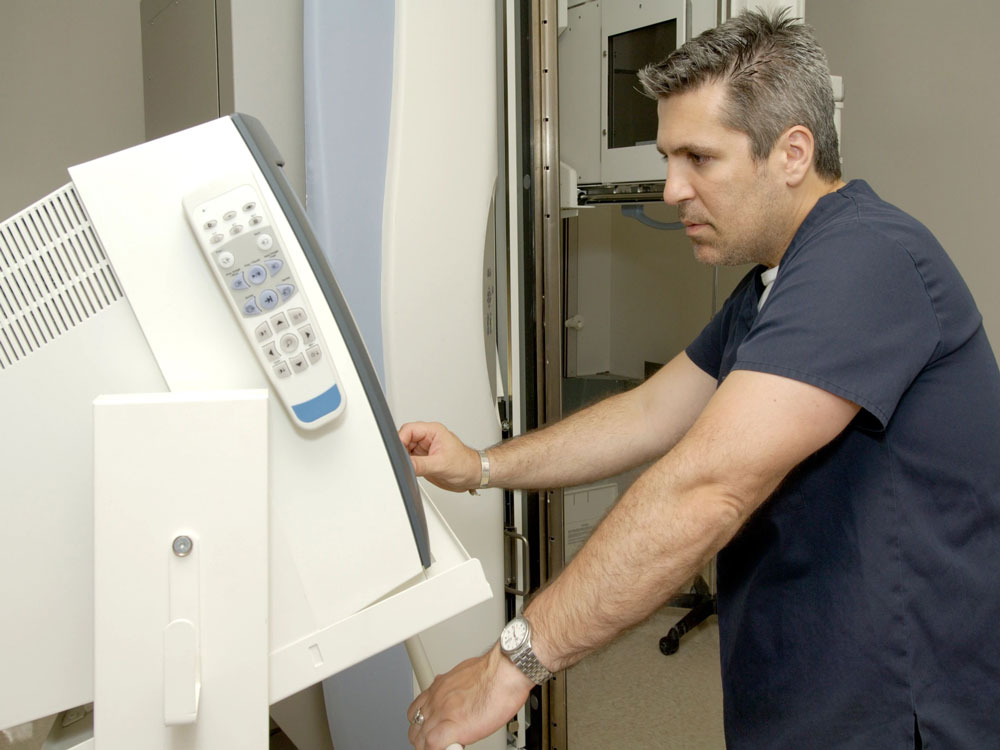
Monitoring & anesthesia
MR Conditional monitors, pumps, and anesthesia considerations—key specs, placement, and workflow notes for MRI rooms.
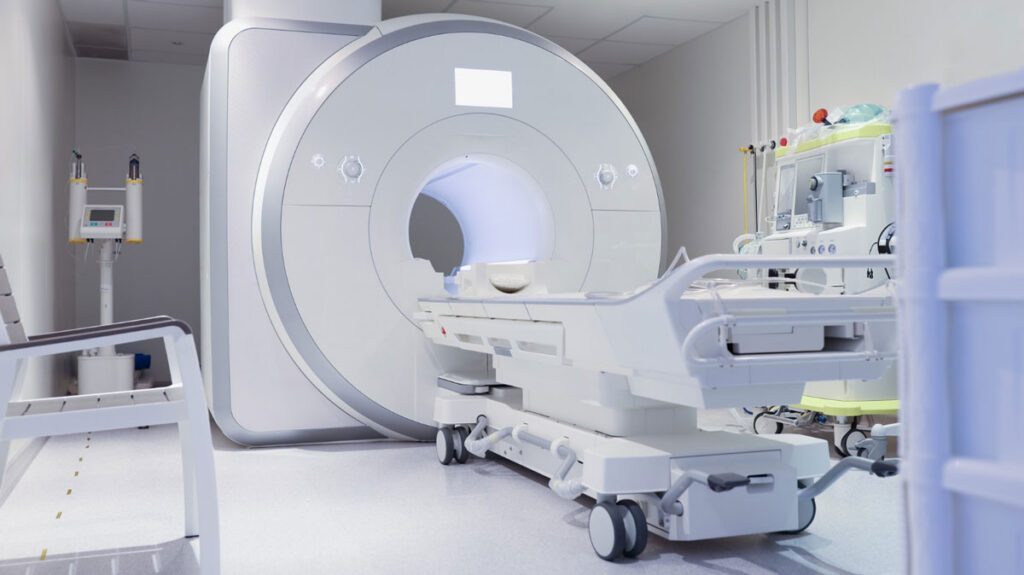
Positioning & coils support
Pads, immobilization, coil supports, and comfort accessories—how to choose options that support image quality and patient safety.
MRI Furniture & Room Equipment
MRI carts, stools, IV poles, storage solutions, patient seating, and other equipment commonly used throughout the MRI environment.
Featured equipment guide
MR Conditional patient transport equipment
If you’re building or updating an MRI transport workflow, start with our cornerstone overview. It covers common MRI equipment types, MR Safe and MR Conditional labeling considerations, workflow planning, and practical checks to reduce surprises at the magnet-room door.
What to verify
Labeling, conditions of use, accessories, and how “conditional” limits change with field strength and configuration.
How it fits workflow
Transport paths, handoffs, and room setup considerations that impact safety, throughput, and patient comfort.
MRI Equipment FAQs
Quick answers to common questions imaging teams ask when evaluating MR Safe and MR Conditional equipment.
What’s the difference between MR Safe and MR Conditional?
MR Safe indicates no known hazards in all MRI environments. MR Conditional means the item is safe only under specific conditions (for example, field strength, configuration, or placement).
Can we rely on “MRI compatible” labeling?
Use the ASTM MR labeling terms (MR Safe, MR Conditional, MR Unsafe) and confirm the conditions of use. “MRI compatible” is often vague and may not specify limits.
What should we check before bringing equipment into Zone IV?
Confirm the MR label and conditions, remove non-approved accessories, and verify the exact model matches documentation. When in doubt, keep it out and escalate to your MRI safety process.
Do conditions change between 1.5T and 3T?
Often, yes. MR Conditional limits can differ by field strength and configuration. Always review the specific conditions for the scanner environment you’re using.
Where do Buyer’s Guides fit in?
Buyer’s Guides help you compare options that are explicitly MR Safe or MR Conditional, with practical notes for workflow and purchasing conversations.
Is this medical advice or a substitute for site policy?
No. Content is educational and should be used alongside your facility’s MRI safety policies and manufacturer documentation.
Why do some MRI products cost more than standard hospital equipment?
MRI equipment often requires non-ferromagnetic materials, specialized testing, MR labeling, and design considerations that allow it to be used safely around strong magnetic fields.