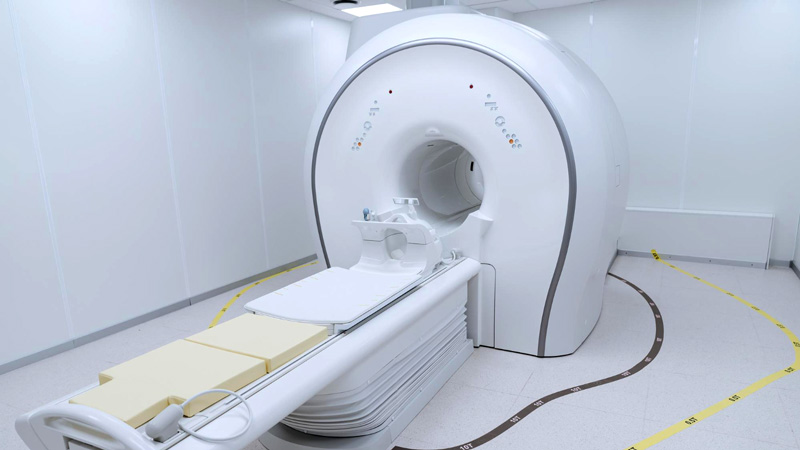
Understanding the difference between non-magnetic and non-ferromagnetic materials is important for MRI safety. Most people know that metal objects shouldn’t go into the MRI magnet room because they could become projectile hazards. This is because some metals and metal-containing objects are ferromagnetic and can be strongly attracted to the MRI magnet.
While that is true for many metal objects, not all metals behave the same way in a magnetic field. Some items may be used in MR environments after they have been evaluated and labeled MR Conditional under specific conditions.
MRIequip carries MR Conditional items such as wheelchairs, gurneys, patient comfort items, surgical tools, maintenance tools, and other MRI accessories. Some of our items are labeled as non-magnetic or non-ferromagnetic. While these terms are sometimes used interchangeably, there are differences between them.
What Makes a Material Magnetic?
Before explaining the difference between non-magnetic and non-ferromagnetic, it helps to understand the different types of magnetic behavior materials can have.
Objects often fall into one of three categories:
- Ferromagnetic materials have a strong attraction to magnets and can become magnetized when exposed to a magnetic field.
- Paramagnetic materials are weakly attracted to magnetic fields.
- Diamagnetic materials are weakly repelled by magnetic fields.
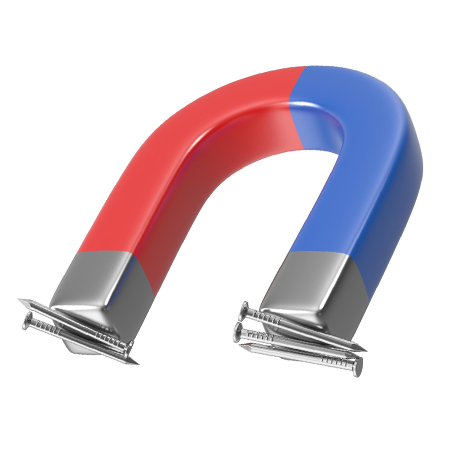
Ferromagnetic materials are one of the main safety concerns in the MR environment because they can become projectile hazards. These materials can include iron, nickel, cobalt, and iron-containing steel alloys.
How MR Labeling Relates to Magnetism
A material’s magnetic properties play an important role in determining how an item behaves in the MR environment, but magnetism alone does not determine its MRI safety designation. Ferromagnetic items are commonly classified as MR Unsafe because they can create serious hazards, such as projectile risks, in the MR environment.
After testing, non-ferromagnetic and non-magnetic items may be labeled MR Safe or MR Conditional depending on their materials, construction, and intended use. Even if an item is considered non-ferromagnetic or non-magnetic, it should not enter the MR environment until its official MRI safety labeling has been verified and any specified conditions of use are understood and followed.
Learn more about MRI equipment classifications in our guide to MR Safe, MR Conditional, and MR Unsafe equipment.
Terms at a Glance
What Are Non-Ferromagnetic Materials?
Non-ferromagnetic materials and metals are not strongly attracted to a magnetic field. Many non-ferrous materials, which are ones that do not contain iron as the primary metal, are also non-ferromagnetic. These materials often fall into the paramagnetic or diamagnetic categories rather than the ferromagnetic category. Common non-ferromagnetic materials include aluminum, copper, brass, bronze, and plastics. MRIequip’s non-ferromagnetic transport equipment is constructed from 7075 aluminum and plastic.

Many MRI facilities use ferromagnetic detectors as part of their screening process. Ferromagnetic detectors can detect ferromagnetic materials that may become projectile hazards in the MR environment. Many non-ferromagnetic items may pass through a ferromagnetic detector without triggering an alarm. However, detection can vary depending on the item’s material composition and construction, so ferromagnetic detection should not be treated as the only MRI screening method.
Some stainless steel items, for example, may still trigger ferromagnetic detection depending on the alloy and manufacturing process, even if they are considered non-magnetic or only weakly magnetic in practical use.
It is important to keep in mind that non-ferromagnetic does not automatically mean the item is safe for use in the MR environment. MRI equipment, accessories, and medical implants should be evaluated according to their MRI safety labeling, manufacturer instructions, and facility policies.
What Are Non-Magnetic Materials?
The term non-magnetic often describes materials that have little to no noticeable magnetic interaction in normal use. Common non-magnetic materials can include plastics, rubber, glass, ceramics, and certain composite materials.
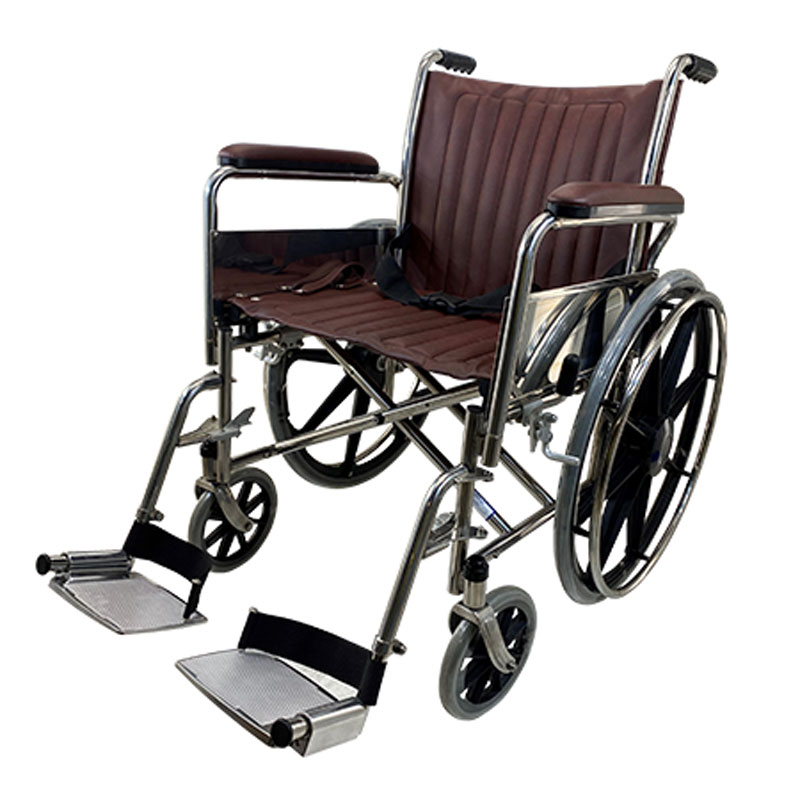
Some metals can also be considered non-magnetic under specific conditions, including certain grades of stainless steel. Some MRIequip products described as non-magnetic may include 304 stainless steel in their construction, which is often considered non-magnetic or only weakly magnetic in practical use.
Other stainless steels, however, can be ferromagnetic and should not be brought into the MR environment. For any stainless steel items, the MRI safety labeling, manufacturer documentation, and facility screening procedures should be reviewed before the item enters the MR environment.
Can Non-Magnetic and Non-Ferromagnetic Items Always Enter the MR Environment?
Not all non-magnetic and non-ferromagnetic objects can enter Zone IV or be used during MRI scanning. Some items may still be unsafe because they can interfere with imaging, heat up during scanning, respond differently to the magnetic field, or fall outside the conditions listed in their MR labeling.
It is always important to review MRI safety labeling, manufacturer information, and facility MRI safety procedures before bringing equipment, accessories, or medical implants into the MR environment.
Ferromagnetic detection should also be treated as one part of the MRI screening process and not as the sole screening method for potentially dangerous items on patients, staff, and equipment. Follow all MRI facility protocols and safety procedures when screening.
Frequently Asked Questions
No. Ferromagnetic detectors are designed to identify ferromagnetic materials that could become hazards in the MR environment. They do not detect every metal object, so ferromagnetic detection should be only one part of the MRI screening process rather than the sole screening method.
No. Not all non-metal objects are automatically considered appropriate for use in the MR environment. Some may interfere with imaging, contain hidden metallic components, or fall outside the conditions listed in their MRI safety labeling. Non-metal accessories, devices, and patient care items should still be reviewed according to their MR labeling, manufacturer instructions, and facility MRI safety procedures before they enter the MR environment.
MRI staff should verify whether a tool or accessory can enter the MR environment by reviewing its MRI safety labeling, manufacturer documentation, and any conditions of use listed for the product. If an item’s MRI status is unclear, it should not enter the MR environment until it has been properly identified and evaluated according to facility MRI safety procedures.
Find the Right MR Conditional Equipment
MRIequip carries a wide variety of MR Conditional equipment for MRI facilities, including transport equipment, patient comfort items, maintenance tools, MRI safety products, and ferromagnetic detection systems. Choosing equipment with the appropriate MR labeling and material construction can help support a safer and more efficient MR environment.