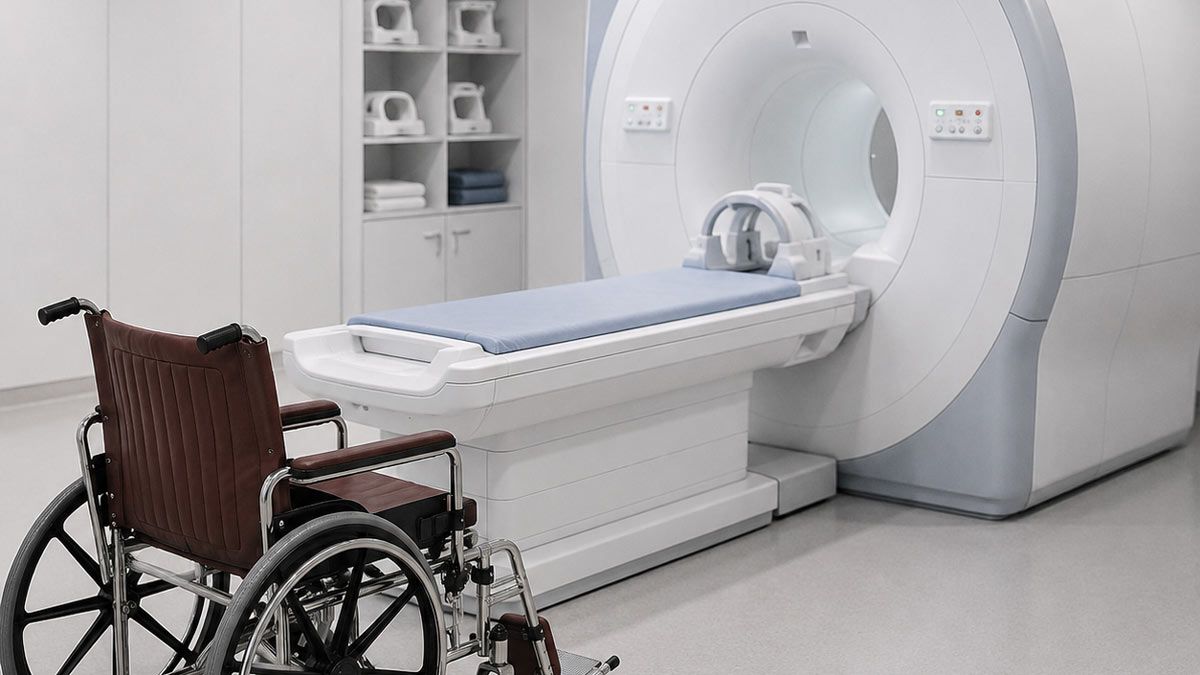
Understanding the difference between MR Safe, MR Conditional, and MR Unsafe equipment is essential for MRI safety. Any ferromagnetic object in the MR environment can pose a serious hazard to patients, staff, and the MRI machine itself. Items from as small as a paperclip to as large as a supply cart can become dangerous projectiles. Some incidents of foreign ferrous objects in the suite have led to deaths.
This is why equipment and implants are tested multiple times and labeled as MR Safe, MR Conditional, or MR Unsafe. But what do these MRI safety labels actually mean?
History of MRI Safety Labels
The current three labels were not always standard. The FDA’s Center for Devices and Radiological Health (CDRH) proposed the original terms of MR Safe and MR Compatible in 1997.
According to MRI safety expert Frank Shellock and Shellock R&D Services, MR Safe was given to a device that posed no risk but could still cause MRI imaging issues. These devices had additional explanations of safety limitations depending on the MRI conditions they were tested in.
The MR Compatible label was similar with a few differences. MR Compatible devices posed no known risks and would not significantly interfere with image quality or become damaged during MRI scans. Unfortunately, MR Safe and MR Compatible were used interchangeably, creating confusion around the terms.
Current MRI Safety Labels
In 2005, the American Society for Testing and Materials (ASTM) International set new standards and classifications for testing and labeling equipment. The new labels of MR Safe, MR Conditional, and MR Unsafe made designations and usage clearer to MRI staff.
The ASTM F2503 standard also established MRI safety labeling requirements for implants and medical devices.
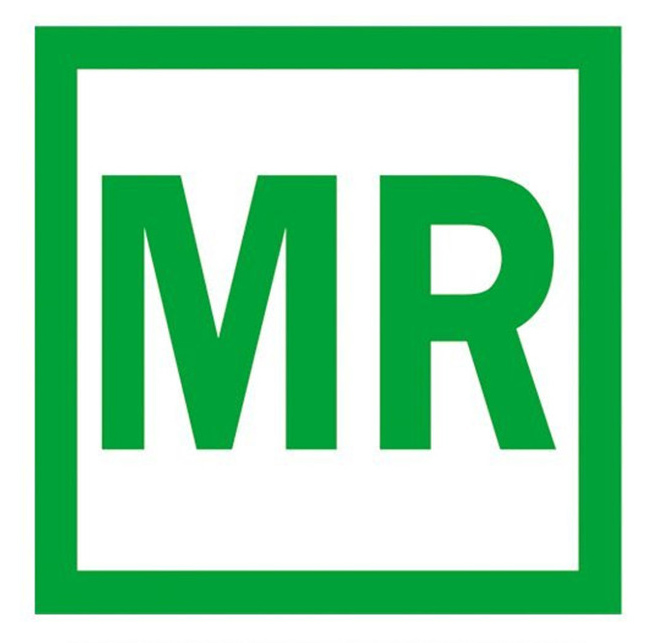
An item labeled MR Safe today means that it does not pose any known hazards in all MRI suites, even in the most extreme MR environment.
For a device to receive this label, it must be completely made of nonconductive or non-ferromagnetic materials, such as plastic or foam. Small metal components such as a spring or fasteners can disqualify a product from being labeled as MR Safe.
Examples of MR Safe equipment include MRI positioning aids, MRI headsets, and MRI safety signs. MRIequip offers a variety of MR Safe accessories designed for patient comfort and MRI safety compliance.
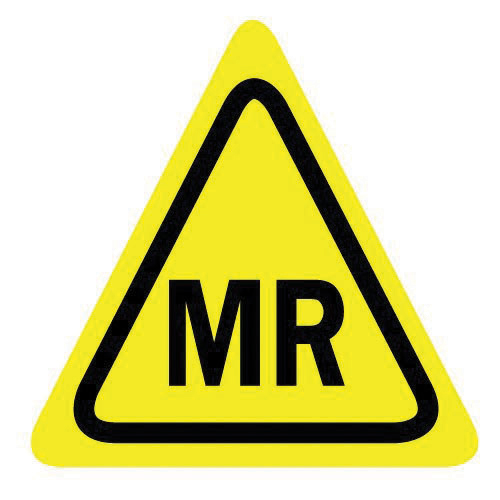
MR Conditional refers to equipment that is considered safe under specific MRI operating conditions. Many MR Conditional devices are constructed of non-magnetic or non-ferromagnetic materials.
Manufacturers must provide specific MRI operating conditions explaining when the device can be used safely. These factors can include:
- Field strength
- Spatial gradient
- dB/dt (time rate of change in the magnetic field)
- Radio frequency (RF) fields
- Specific absorption rate (SAR)
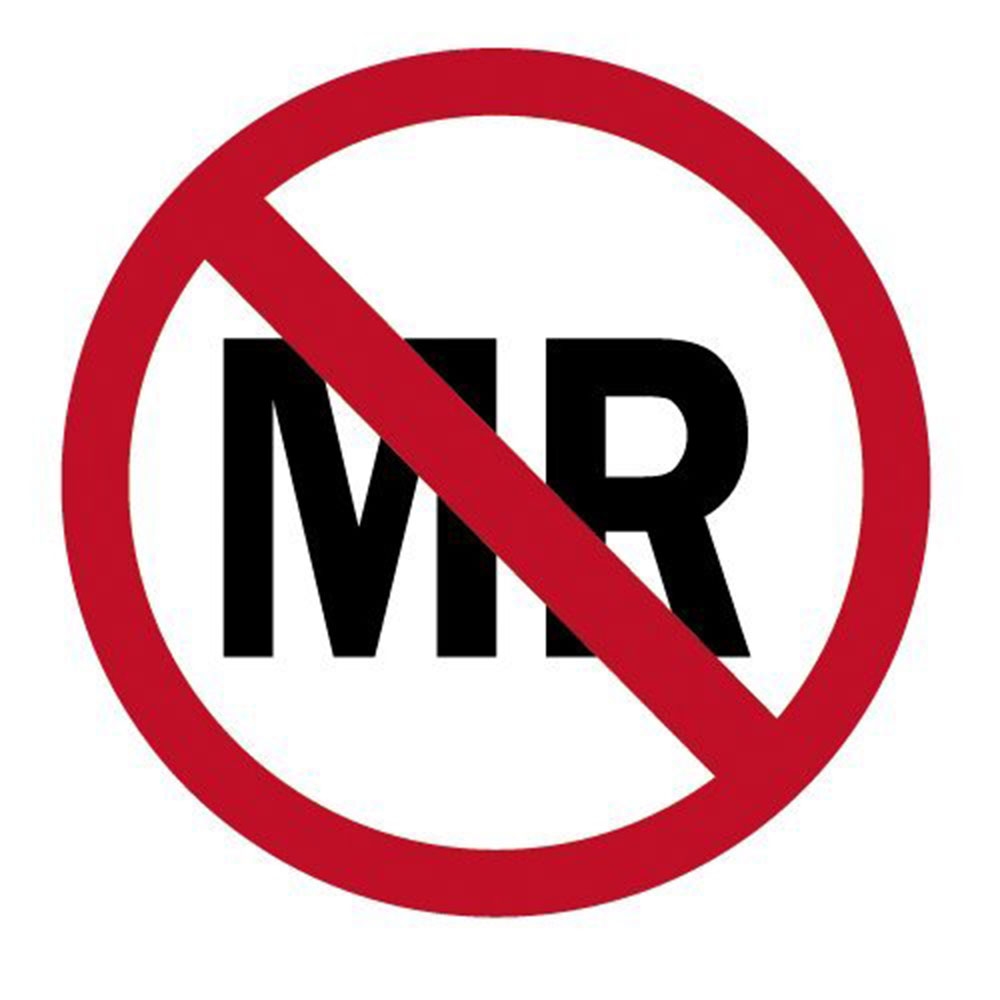
MR Unsafe is as straightforward as it sounds: an item is unsafe when it poses known hazards in any MR environment. Most of these items can pose a hazard to patients and staff by:
- Becoming dangerous projectiles
- Heating up during scanning
- Interfering with MRI scan quality
- Damaging MRI equipment
Items such as paperclips, phones, ferrous oxygen tanks, and implants constructed with ferrous materials are common examples of MR Unsafe items.
Why MRI Safety Labels Matter
MRI safety labels are crucial for maintaining a safe MR environment.
Devices entering the MR environment undergo extensive testing before receiving an MRI safety classification. Before any equipment, item, or implant enters the MRI suite, staff should verify its MRI safety designation.
Many older products with the 1997 designations are being retested and recertified under the current ASTM standards. MRI safety professionals can visit the ASTM International site and review the ASTM F2503 standards.
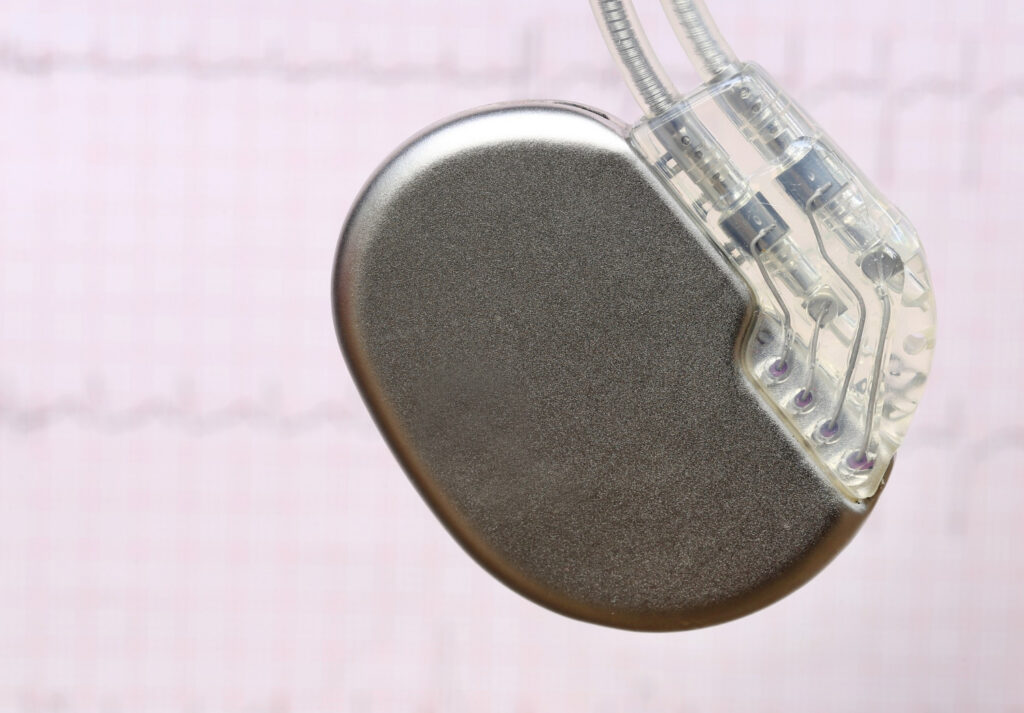
Understanding MRI safety labels and proper safety screening helps reduce the risk of projectile accidents, equipment damage, and patient injury.
Before bringing any item into the MRI suite, always verify its MRI safety label and follow the manufacturer’s operating guidelines.
Frequently Asked Questions
MR Safe items do not pose any known hazards in any MR environment and are typically made entirely of nonconductive, non-ferromagnetic materials. MR Conditional items may contain certain materials or components that are safe only when used under specified MRI operating conditions.
No. MR Conditional equipment can only be used under the specific conditions listed by the manufacturer. MRI staff should always verify the equipment’s field strength rating and operating requirements before bringing it into the MR environment.
The safest approach is to verify implant information directly with the manufacturer. MRI staff should confirm the implant’s exact model and review its MRI safety designation before scanning. Resources such as MRISafety.com may also provide additional information.
Explore MR Safe and MR Conditional MRI Equipment
MRIequip offers a wide range of MR Safe and MR Conditional products designed for MRI suites, imaging centers, and radiology departments, including MRI wheelchairs, positioning aids, safety signage, carts, and patient comfort accessories.