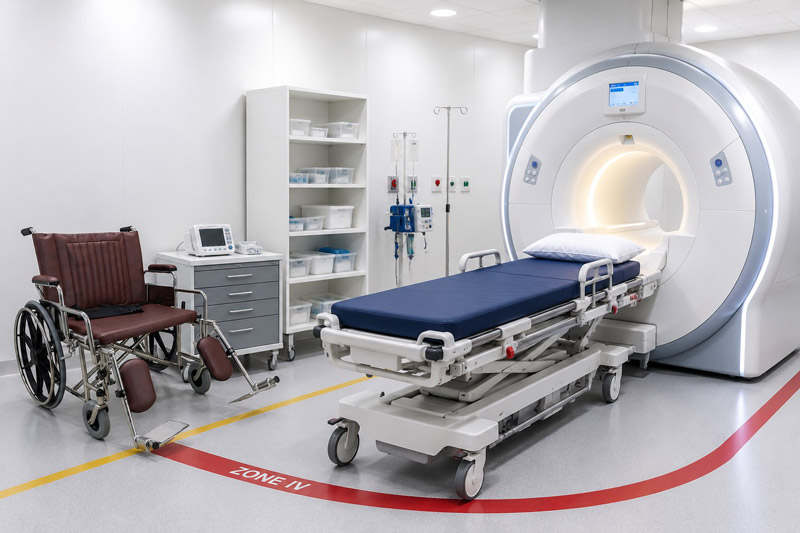
This MRI equipment buyer’s guide explains how hospitals, imaging centers, and healthcare facilities can evaluate MRI equipment for safety, workflow efficiency, patient transport, and long-term planning. It also helps facilities compare MRI equipment before making purchasing decisions.
Unlike standard clinical spaces, MRI rooms present unique safety and workflow challenges. If equipment is not properly selected, it can create projectile hazards, interfere with image quality, slow patient throughput, or lead to costly compliance issues. This MRI equipment buyer’s guide outlines the key safety, workflow, and purchasing considerations healthcare facilities should evaluate before selecting MRI equipment.
For hospitals, outpatient imaging centers, surgical facilities, and mobile MRI providers, the right MRI equipment can directly affect:
- Patient and staff safety
- ACR and MRI safety compliance
- Scan room efficiency and patient throughput
- Emergency response readiness
- Infection control and equipment durability
- Long-term operating and replacement costs
This guide explains how healthcare facilities can evaluate, compare, and purchase MRI room equipment more effectively — including key safety standards, equipment categories, workflow considerations, and common procurement mistakes to avoid.
Core MRI Equipment Considerations for Healthcare Facilities
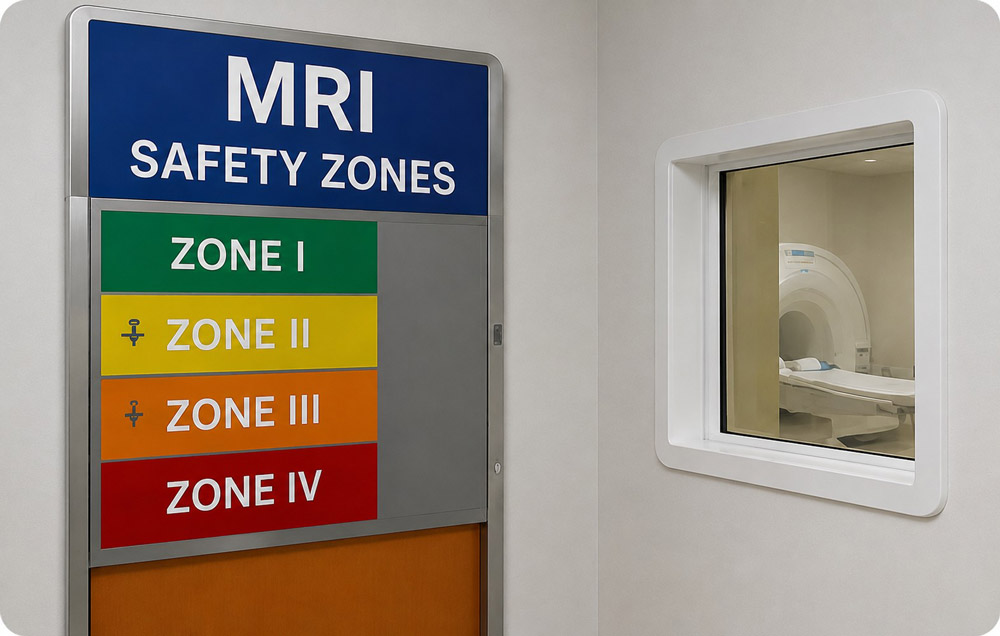
Safety First
Throughout MRI departments, strict equipment screening helps reduce projectile risks and maintain patient safety.
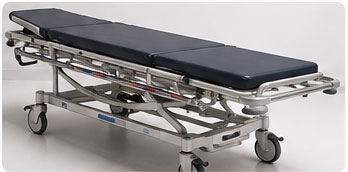
MRI Transport Equipment
MR Conditional transport systems help facilities improve workflow while reducing avoidable safety risks.
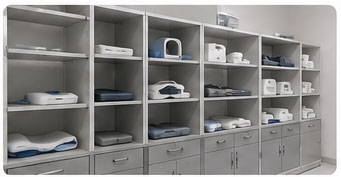
Optimize Workflow
Efficient room layouts and properly selected equipment can help reduce bottlenecks around the scan room.
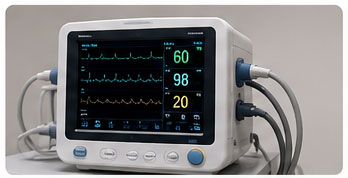
Support Better Care
Additionally, MRI monitoring and emergency equipment are critical for sedation, ICU, and high-acuity imaging workflows.
MRI Equipment Buyer’s Guide to MRI Safety Requirements
In many MRI environments, powerful magnetic fields can create significant equipment safety risks, and even routine medical equipment can become dangerous if it is not designed for MRI use. Items such as oxygen cylinders, IV poles, wheelchairs, floor buffers, and transport stretchers have all been involved in MRI safety incidents when improperly brought near the magnet.
In high-field MRI environments, non-safe equipment may:
- Become a projectile hazard
- Interfere with image quality
- Malfunction during patient care
- Damage the MRI system itself
Because of these risks, MRI equipment is classified using ASTM F2503 safety labeling standards. These labels help facilities determine whether a product can safely enter the MRI environment and under what conditions it may be used.
One of the most common procurement issues facilities encounter is assuming that standard hospital transport equipment can safely enter MRI environments. Even routine items like oxygen cylinders, IV poles, and wheelchairs can become dangerous near high-field magnets if they are not properly tested and labeled for MRI use.
MR Safe
MR Safe equipment contains no known magnetic hazards and can safely operate within MRI environments without specific usage restrictions.
Common Examples
- Plastic positioning devices
- Non-ferromagnetic accessories
- Certain patient supports
MR Conditional
MR Conditional equipment is approved for MRI use only under manufacturer-specified operating conditions.
Conditions May Include
- 1.5T or 3T field strength limits
- Positioning requirements
- Scan duration restrictions
- Approved accessories
MR Unsafe
MR Unsafe equipment presents dangerous magnetic attraction, interference risks, or equipment malfunction potential.
Common Examples
- Standard oxygen cylinders
- Steel transport equipment
- Ferromagnetic tools
- Non-approved monitors
Before Purchasing MRI Equipment, Verify:
- ASTM F2503 safety labeling
- Manufacturer testing documentation
- MRI field-strength requirements
- Clinical workflow requirements
- Environmental use limitations
Verifying MRI safety requirements before purchase helps reduce avoidable safety risks, equipment damage, workflow disruptions, and compliance concerns.
MRI Equipment Buyer’s Guide: Key Purchasing Factors
However, MRI equipment purchasing decisions should involve more than upfront pricing alone.
System Requirements
Healthcare facilities should always evaluate MRI equipment for safe use within your scanner’s field strength and operating environment.
- 1.5T vs 3T
- Manufacturer operating restrictions
- Future MRI system upgrades
- Approved accessories and configurations
Facility Layout & Workflow
Equipment dimensions and maneuverability can directly impact daily MRI workflow efficiency.
- Narrow hallways
- Tight turning radii
- Small control rooms
- Limited storage space
Patient Population Needs
Facilities serving specialized patient populations may require enhanced MRI equipment configurations.
- Bariatric imaging
- Pediatric patients
- ICU transport
- Sedation workflows
Durability & Service Support
Because of heavy daily use, durability and long-term service support become critical purchasing considerations.
- Frame durability
- Wheel performance
- Battery lifespan
- Replacement part availability
- Warranty and technical support
Procurement Recommendation
MRI equipment evaluations should involve MRI technologists, radiology leadership, biomedical engineering teams, and clinical staff early in the purchasing process to reduce workflow and MRI safety issues after installation.
MRI Equipment Buyer’s Guide Categories
MR Conditional Wheelchairs
MRI wheelchairs are constructed with either non-magnetic stainless steel or aluminum non-ferromagnetic materials to safely transport patients within MRI environments while minimizing magnetic field risks.
Key Evaluation Factors
- Weight capacity
- Maneuverability
- Foldability
- Brake reliability
- Bariatric support
- 1.5T vs 3T MRI approval
Common Premium Features
- Enhanced patient positioning
- Bariatric configurations
- Corrosion-resistant materials
- Advanced wheel locking systems
MRI Stretchers and Patient Transport Systems
MR Conditional stretchers play a critical role in patient transport, emergency imaging workflows, and safe movement throughout high-field MRI environments.
Key Evaluation Factors
- Hydraulic vs manual operation
- Patient transfer efficiency
- Side rail design
- Weight capacity
- Storage footprint
- Cleaning and infection-control requirements
Operational Considerations
- Emergency department transport workflows
- ICU patient movement
- Bariatric patient support
- Staff maneuverability and fatigue reduction
MRI Patient Monitoring Equipment
Sedation, anesthesia, ICU imaging, and pediatric MRI workflows often require specialized MRI patient monitoring systems designed for high-field imaging environments.
Key Evaluation Factors
- Signal reliability
- Wireless capability
- Integration with existing systems
- Alarm management
- Cable management
- Approved use in high-field MRI systems
Clinical Workflow Considerations
- Sedation and anesthesia support
- Pediatric imaging workflows
- ICU patient transport
- Radiology and anesthesia coordination
- Biomedical engineering and IT integration
Ferromagnetic Detection Systems
Ferromagnetic detection systems help prevent dangerous metal objects from entering MRI Zones III and IV, improving safety screening and reducing projectile risks.
Common Detection Risks
- Oxygen cylinders
- IV poles
- Floor buffers
- Wheelchairs
- Maintenance tools
- Personal belongings
Operational Benefits
- Improved Zone III and IV access control
- Additional staff screening support
- Reduced projectile incident risk
- Enhanced MRI safety compliance
MRI Seating and Room Furnishings
MRI seating and room furnishings are commonly overlooked during procurement planning but can significantly impact patient comfort, durability, infection control, and long-term maintenance.
Key Evaluation Factors
- Waiting area durability
- Infection-control materials
- Weight capacity
- Corrosion resistance
- Ease of cleaning
Operational Considerations
- High-traffic patient areas
- Pediatric and bariatric seating needs
- Long-term maintenance requirements
- Environmental moisture exposure
- Patient comfort and accessibility
MRI Equipment Buyer’s Guide: Common Procurement Mistakes
Future MRI Upgrade Oversights
Some facilities purchase equipment approved only for 1.5T systems and later face replacement costs after upgrading to 3T MRI scanners. Many MRI equipment purchasing problems can be avoided with better long-term planning and workflow evaluation.
Workflow Bottlenecks
Poorly designed transport pathways and oversized MRI equipment can reduce patient throughput and increase technologist workload.
- Retrofitted MRI suites
- Older imaging departments
- High-volume outpatient centers
Ignoring Service Requirements
Limited technical support, delayed replacement components, and insufficient preventive maintenance planning can increase MRI downtime.
Additional MRI Procurement Mistakes
Choosing the Lowest-Cost Option
Lower-cost MRI equipment may reduce upfront purchasing expenses but can create long-term operational and maintenance challenges.
- Shorter equipment lifespan
- Increased maintenance
- Limited warranty support
- Poor maneuverability
- Replacement delays
Ignoring Storage & Space Constraints
MR Conditional transport equipment can occupy significant storage space and impact daily workflow if not properly planned.
- Storage access
- Emergency egress pathways
- Charging requirements
- Equipment parking areas
MRI Equipment Buyer’s Guide for Different Facility Types
Outpatient Imaging Centers
Outpatient MRI facilities often prioritize workflow efficiency, compact equipment footprints, and streamlined patient transport.
- Fast patient throughput
- Compact equipment
- Efficient patient transport
- Lower maintenance requirements
Hospital-Based MRI Departments
Meanwhile, hospital MRI departments typically require higher-acuity support, emergency readiness, and more advanced patient transport capabilities.
- Bariatric transport capability
- ICU patient support
- Emergency response readiness
- Advanced patient monitoring
- High-durability transport equipment
Pediatric Imaging Facilities
Pediatric MRI departments often require equipment and room planning that support comfort, sedation workflows, and family-centered care.
- Noise Reduction Accessories
- Family Friendly Room design
- Sedation Monitoring
- Smaller Transport Equipment
Mobile MRI Providers
Mobile MRI environments require compact, durable, and space-conscious equipment that can withstand transport and storage limitations.
- Equipment weight
- Storage limitations
- Vibration resistance
- Transport durability
Final Thoughts
Selecting MRI equipment involves balancing safety, workflow efficiency, patient care requirements, durability, and long-term costs. While every facility has unique needs, focusing on MRI safety classifications, operational workflow, service support, and future growth can help avoid costly purchasing mistakes.
Whether outfitting a new MRI suite or replacing existing equipment, a structured evaluation process helps ensure equipment investments support both clinical and operational goals.