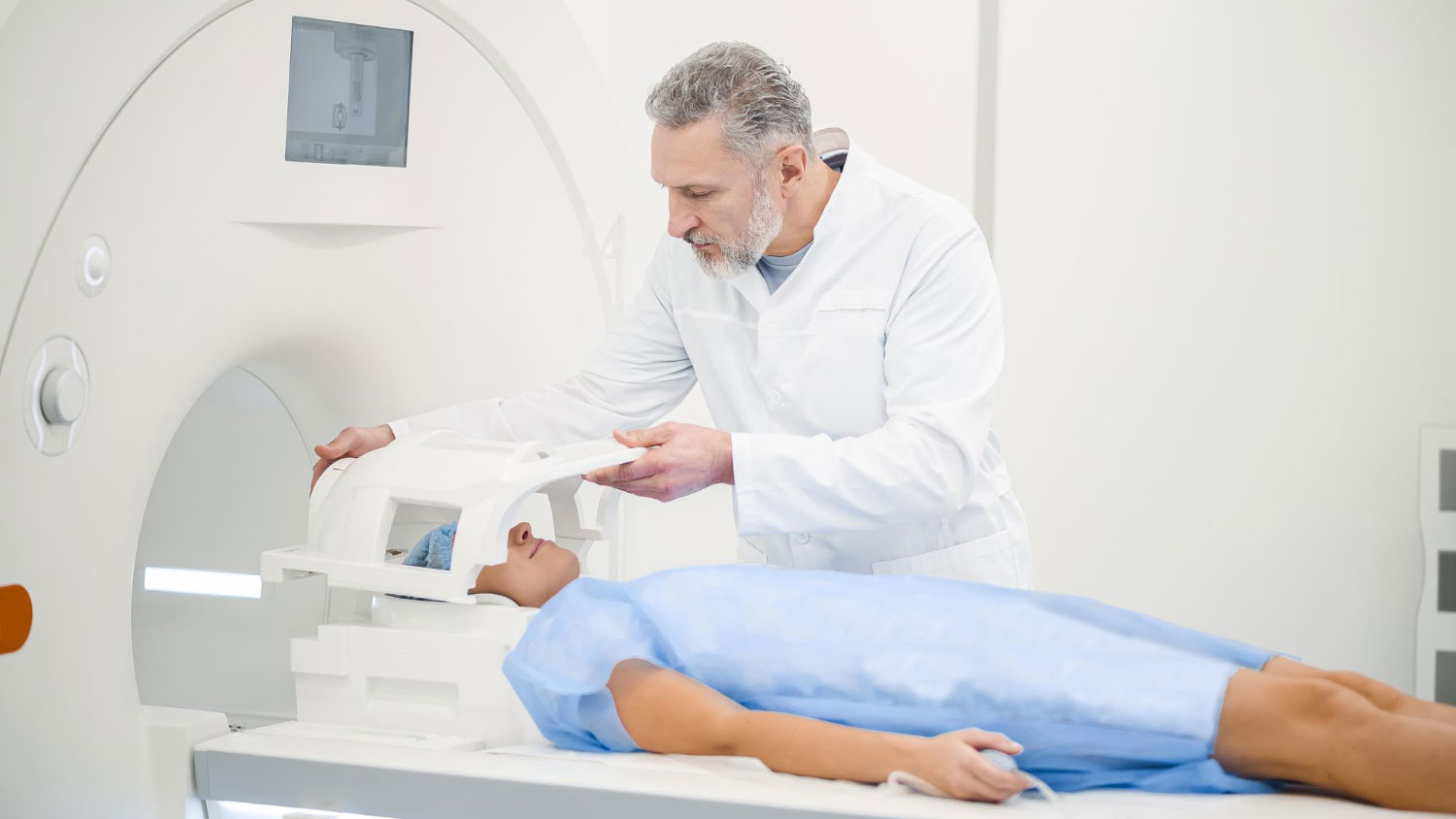
Comfort and safety in the MR environment are essential. The right MRI equipment can help improve patient comfort, workflow efficiency, and overall MRI safety. Equipping an MRI suite requires specialized MR Safe and MR Conditional products designed to operate safely around powerful magnetic fields.
This checklist highlights essential equipment and supplies commonly used in MRI suites.
MRI Safety Signage
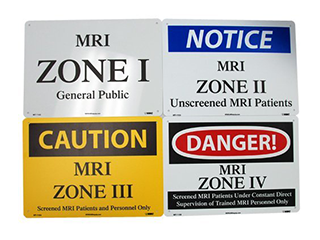
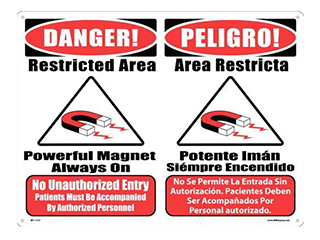
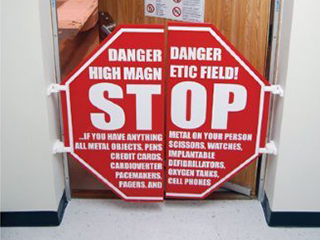
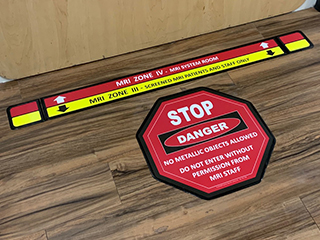
The MRI magnet is always on, which means ferromagnetic objects can become dangerous projectiles if brought into the scan room. It is important to have signage around the MR environment to inform patients and staff of MRI safety.
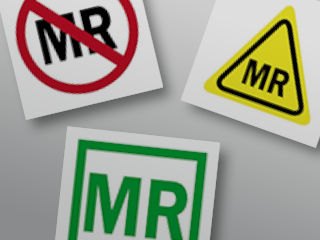
MRI safety signage can range from lighted signs, wall signs, floor plaques & mats, stickers, and swinging door signs. Safety signage is used to mark the location of the four MRI zones, what is allowed inside the MRI suite, and the safety designations of equipment.
Common MRI safety signage includes:
Ferromagnetic Detection Systems
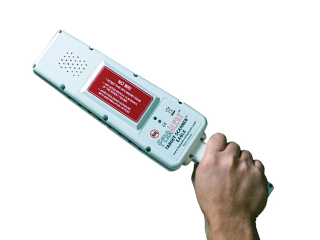
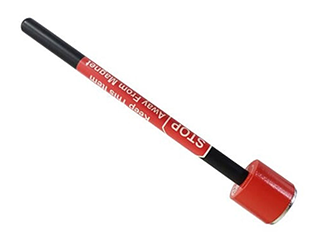
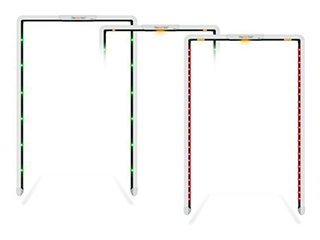
Patients, staff, and equipment must be screened for dangerous metallic objects before entering Zone IV. Handheld test magnets are portable and can be used to test metallic equipment of concern. Ferromagnetic scanners alert staff of potential ferromagnetic items approaching Zone IV and ferromagnetic items on patients and staff.
Typical MRI detection equipment includes:
Patient Transport & Transfer Equipment
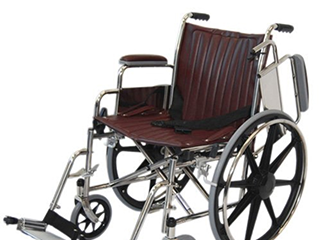
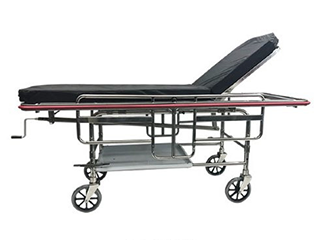
Some patients can walk into their MRI scan, but others need assistance. Using standard ferrous wheelchairs or gurneys, however, can create serious safety hazards inside the MRI suite. MR Conditional transport equipment, such as wheelchairs, stretchers, gurneys, and transport chairs, are constructed from non-magnetic or non-ferromagnetic materials and can enter the MRI suite safely.
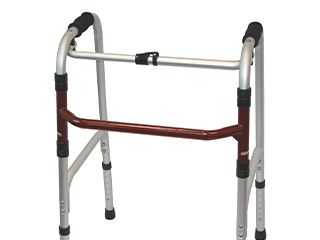
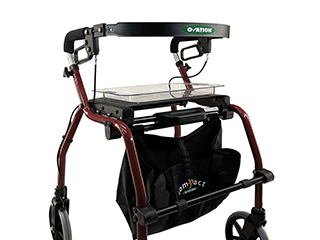
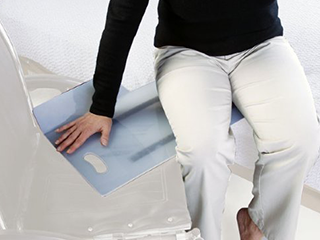
For patients who need a walking aid, MR Conditional walkers, canes, crutches, and rollators are commonly used. Transferring a patient from a stretcher or wheelchair is made easier and safer with non-magnetic transfer boards and transfer belts.
MRI transport equipment can include:

MRI Positioning Aids
Many MRI scans can take anywhere from 15 minutes to an hour. Patient movement during an MRI scan can create motion artifacts that reduce image quality and may require repeat scans. Making scans as comfortable as possible for patients helps prevent unnecessary movement.
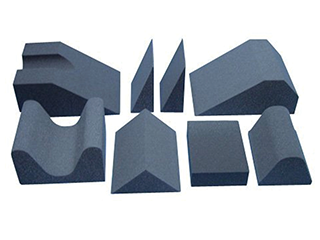
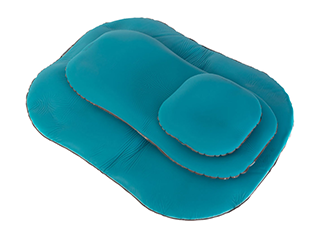
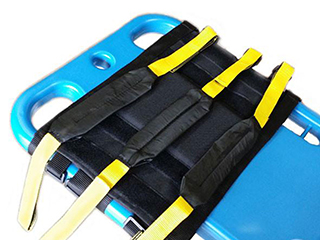
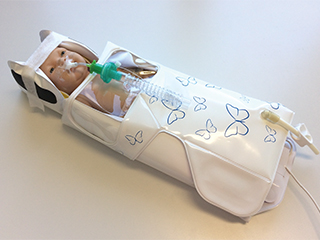
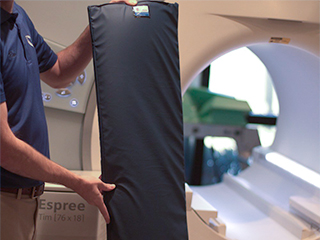
Foam and gel positioners provide support and can be used to position the patient comfortably. Immobilizing positioners, especially for scans on infants, can add additional stabilization during a scan. Supplementary pads should be used to prevent RF burns produced by skin-to-skin contact or skin contact with the bore during long scans and high Tesla scans.
Typical MRI positioning aids include:
Hearing Protection & Communication
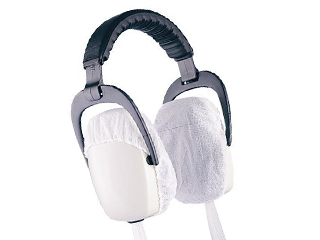
The MRI machine produces loud sounds that can cause discomfort and hearing issues. Patients should use hearing protection to block out these noises. Some MRI facilities offer MR Compatible headphone systems for patients to listen to their choice of music.
Common hearing protection options include:
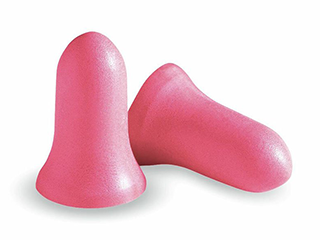
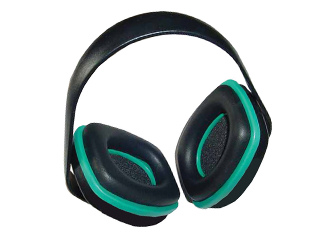
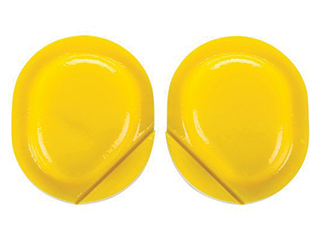
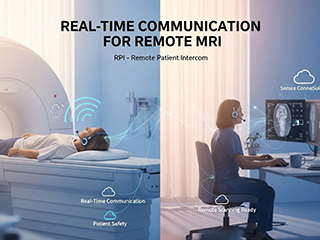
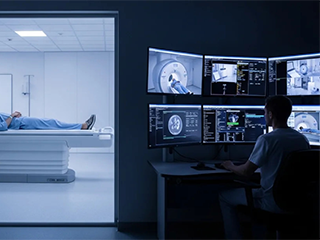
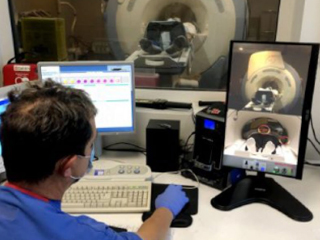
MRI communication systems also help MRI technologists monitor and communicate with patients throughout the procedure.
MRI communication equipment can include:
Surgical Equipment
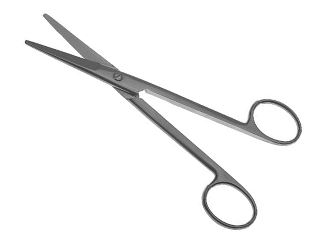
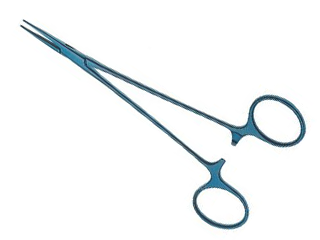
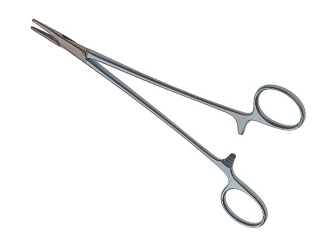
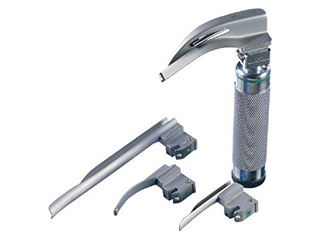
Intraoperative MRI (iMRI) surgeries and MR guided biopsies need special surgical tools that would not become dangerous projectiles in the MRI suite. MR Conditional surgical instruments are typically constructed from titanium and other non-ferromagnetic materials.
Typical MRI surgical equipment includes:
Safety & Sanitation
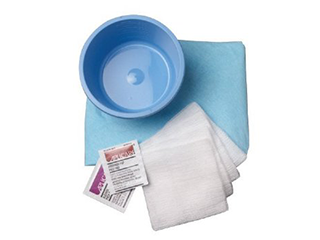
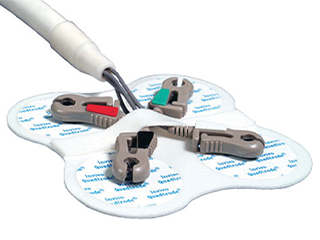
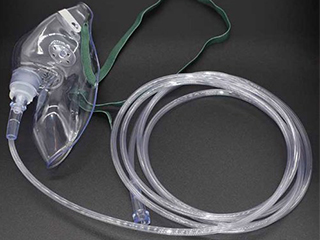
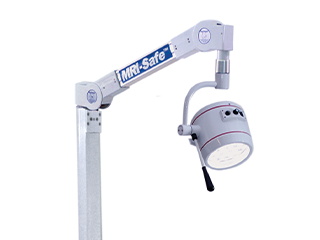
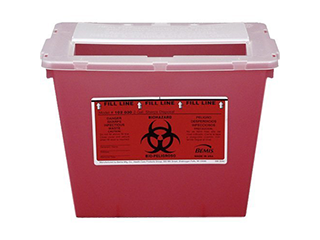
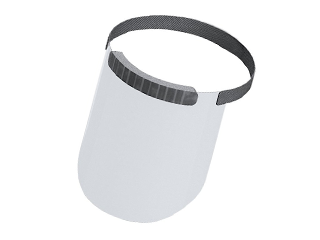
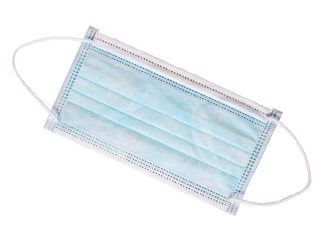
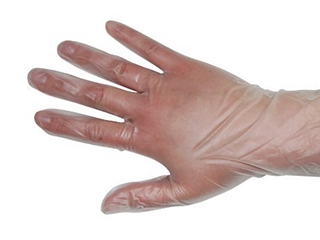
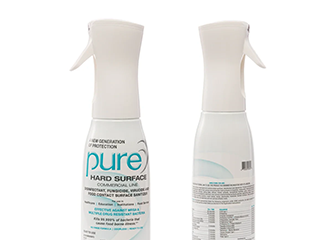
The MRI suite is an extension of the hospital, making sanitary practices a priority. Surgical face masks, face shields, sharps containers, and surgical gloves are needed for protecting patients and staff from viral and bacterial concerns during MR guided biopsies.
Common MRI safety and sanitation supplies include:
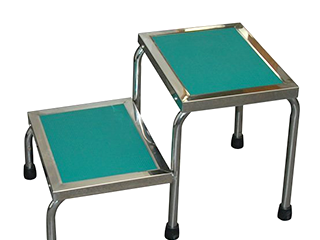
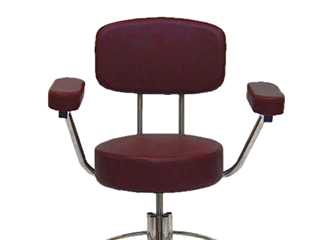
MRI Furniture & Doctor Stools
Comfort and safety should be considered in the waiting room as well. Non-ferromagnetic furniture helps create a more comfortable, welcoming environment in the waiting rooms around the MRI suite. Many of these furniture options can also be safely used near MRI systems.
MR Conditional stools and seating options are also available for physicians and MRI technologists working near the scanner.
MRI furniture options include:

Carts & Storage Solutions
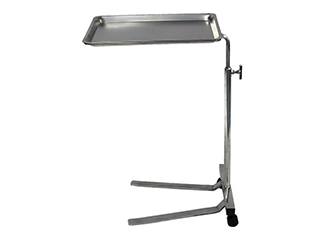
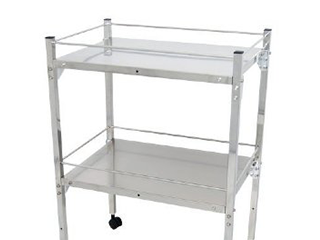
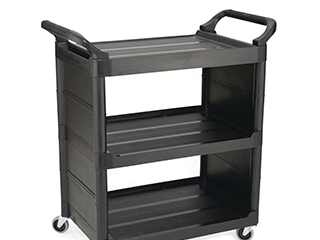
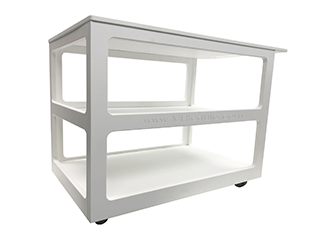
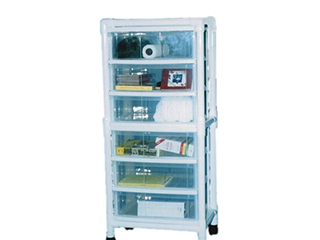
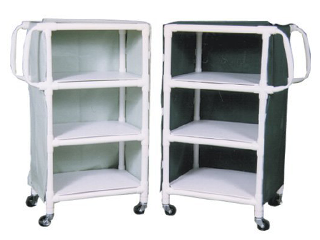
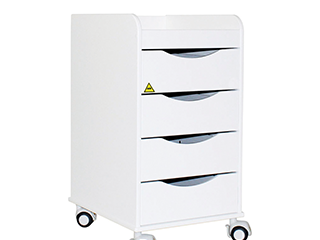
Safe storage options in the MRI suite help with organization and efficiency in high scan-turnover facilities. With a variety of size options, MR Conditional carts are essential for storing coils, equipment, and linen in a transportable, space-saving package.
Popular MRI storage solutions include:
MRI Office Supplies & Staff Accessories
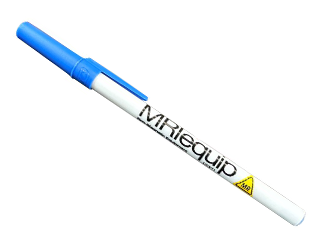
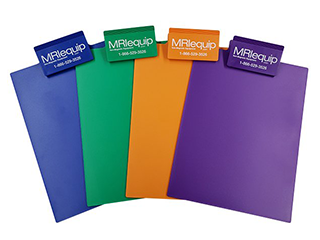
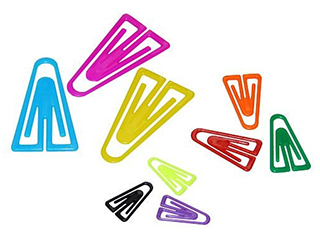
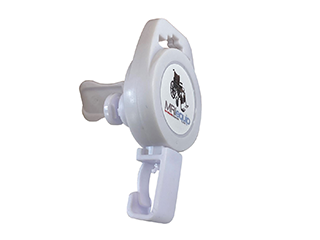
Everyday pens, paperclips, and badge holders could potentially cause hazards in the MR environment. MRI staff would need to use non-magnetic versions of office supplies that are designed for MRI safety compliance.
Common MRI office supplies and accessories include non-magnetic:

Cleaning & Maintenance Equipment
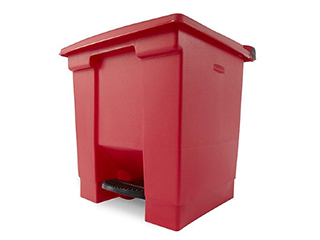
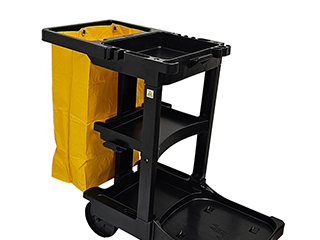
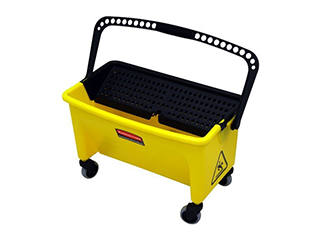
An MR environment is only as good as its cleanliness and maintenance. Janitorial supplies like trash cans, mop pails, and carts should still be MR Conditional or MR Safe when used near the MRI scanner.
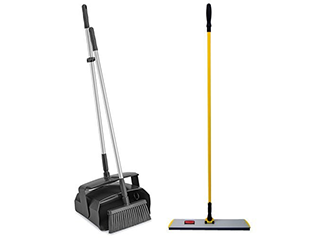
Sanitizing regularly in the MRI suite prevents the spread of diseases and keeps the MR environment hygienic. For upkeep of the MRI machine, non-magnetic tools can be used near and around the bore.
MRI cleaning and maintenance tools can include:
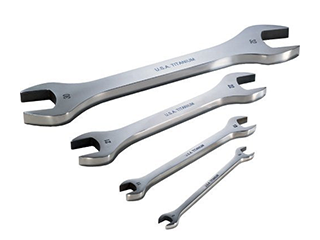
MRI Fire Extinguishers
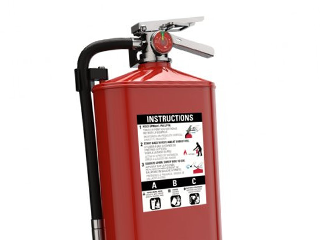
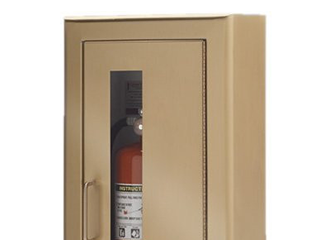
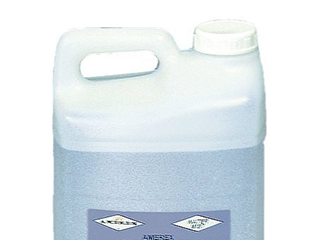
Even during a fire emergency in Zone IV, a standard fire extinguisher is not allowed to enter. MRI fire extinguishers that have non-magnetic canisters can be stored in the MR environment for such emergencies. Many MRI fire extinguishers use deionized water to help reduce electrical conductivity risks while suppressing fires.
MRI fire safety equipment typically includes:
A smooth-running MR environment involves many moving parts, especially during patient scans. From patient transport and positioning aids to fire safety and ferromagnetic detection systems, every piece of MRI equipment plays a role in patient safety and workflow efficiency.
Frequently Asked Questions
Standard hospital equipment often contains ferromagnetic materials that can create safety hazards in the MRI environment. MR Safe and MR Conditional equipment is specifically designed and tested for MRI environments and can be safely used under the appropriate conditions.
MRI safety signage, ferromagnetic detection systems, and MR Safe or MR Conditional equipment all help reduce projectile risks in the MRI environment. These tools and safety measures help identify or eliminate potentially hazardous ferromagnetic objects before they enter restricted MRI areas.
Patient movement during an MRI scan can create motion artifacts that reduce image quality and may require repeat scans. Positioning aids help improve patient comfort, support proper positioning, and reduce unnecessary movement during scans.
Explore MRI Room Equipment and Products
Download our complete MRI Suite Checklist PDF or browse our selection of MRI equipment, carts, transport equipment, and MRI room accessories to help equip your facility for safe and efficient imaging operations.