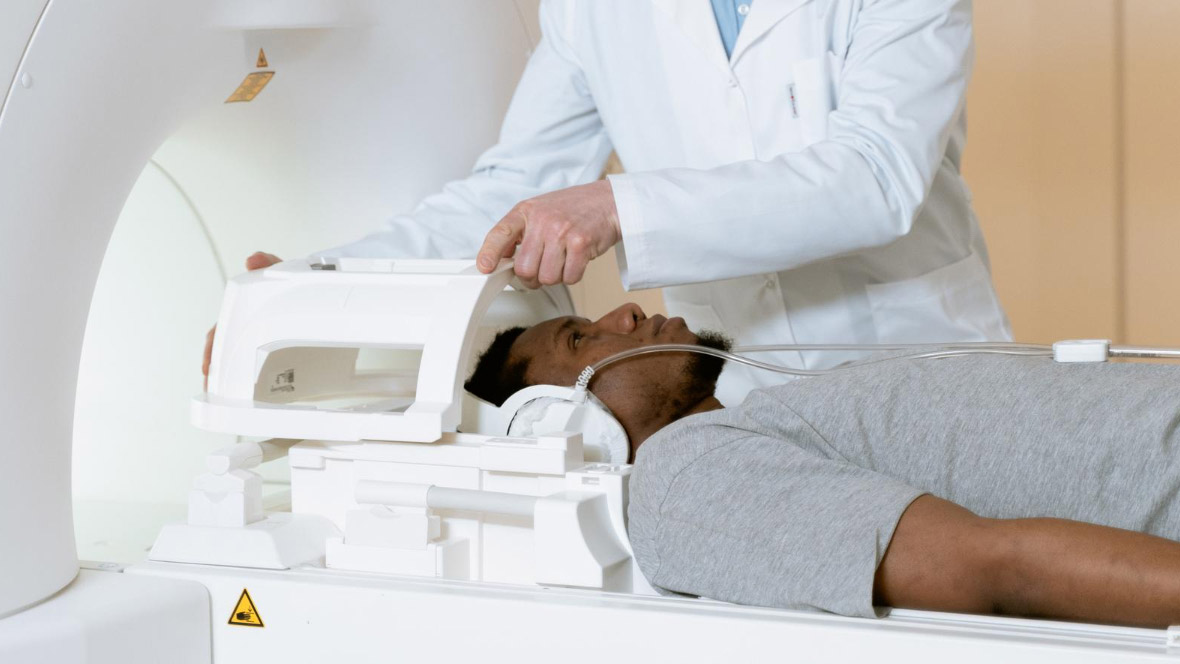
Patient comfort is essential during an MRI exam. Whether an MRI scan takes 15 minutes or over 60 minutes, the patient must stay still. However, a patient can become uncomfortable due to prolonged pressure from lying on a hard surface such as the MRI scan table. It can be especially painful for those with medical conditions or disabilities that can be aggravated by extended immobility.
MRI positioning aids can help with patient comfort and an MRI facility’s scanning needs. Positioning aids are typically constructed from durable, biocompatible materials that can withstand everyday use and harsh disinfectants.
With many different positioning aids available, it can be difficult for MRI facilities to find the right fit. We will cover the material MRI positioning aids are commonly made of and why they are used.
DISCLAIMER
This article is for general MRI education only. It does not replace official MRI safety training, facility standard operating procedures (SOPs), accreditation requirements, or clinical judgment. MRI procedures should always be performed according to the patient’s specific medical condition and the facility’s protocols.
Positioning Aids Benefits
MRI facilities need their positioning aids to be MR Safe or MR Conditional, depending on their intended use. Positioning aids commonly come into direct contact with both patients and components of the MRI system. This means they must be made from materials that do not create projectile hazards, interfere with image quality, or increase the risk of patient injury. MRI positioning aids can be made from medical-grade foam, gel, or other non-ferromagnetic materials.
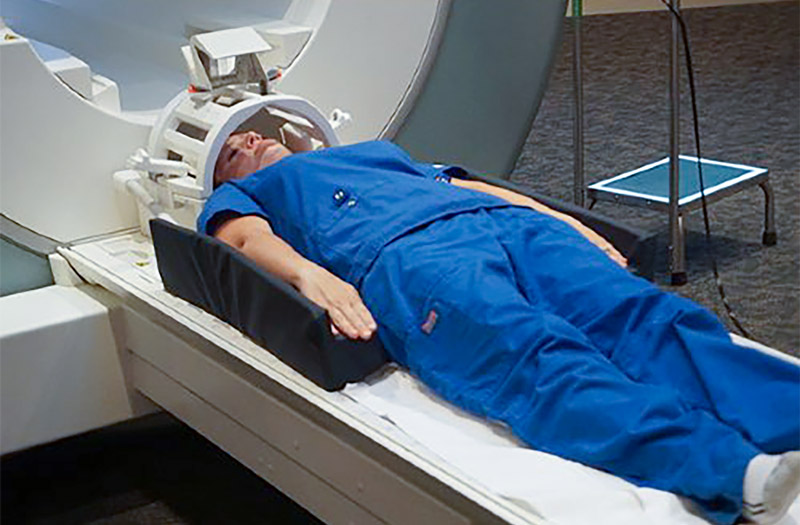
Many patients need a combination of support and comfort for a scan. MRI positioning aids help distribute a patient’s weight evenly to prevent pressure injuries. They can range from small supports used around the face to full-length pads that support the patient’s entire body. MRI positioning aids are available in different shapes, including wedges, sponges, disks, flat table pads, inflatable positioners, sandbags, and others.
Many MRI positioning aids stabilize the limbs or head and neck within RF coils. Others provide support beneath the patient’s body throughout the scan. This helps prevent unnecessary movement due to discomfort. Specialized thermal barriers pads are designed to protect patients from RF burns caused by skin contact with coils or the MRI bore.
Foam Positioning Aids
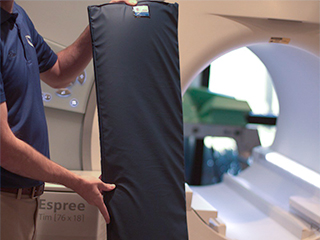
Foam is one of the most versatile and economical materials used for MRI positioning aids. These positioning aids are available in a wide range of firmness levels, from soft cushioning to rigid support. This variety allows MRI personnel to select the appropriate level of support and pressure relief for each patient.
Any foam, whether soft or rigid, can have an open-cell or a closed-cell structure. Open-cell foam is typically softer, more flexible, and less expensive than closed-cell foam. However, open-cell foam is susceptible to absorbing liquids. Open-cell foam is commonly sealed in vinyl, polyurethane, or stretchy fabric covers to make it waterproof and durable.
On the other hand, due to a closed-cell foam’s structure, it is generally waterproof and does not need an extra cover. Closed-cell foam provides excellent thermal insulation, making it one of the best materials for a thermal barrier pad. Its rigidity can benefit patients who must remain in a precise position the entire time.
A nice middle ground between soft and rigid foam is viscoelastic foam, also known as memory foam. Many positioning aids use viscoelastic foam to conform to a patient’s limb or body and distribute weight evenly. This type of foam may also be less prone to bottoming out than some other foam types. Foam that has bottomed out or become worn can allow a patient’s body to come into more direct contact with the MRI table. Worn positioning pads may have reduced cushioning and thermal insulation, making routine inspection and replacement important.
Polystyrene Pearl Positioning Aids
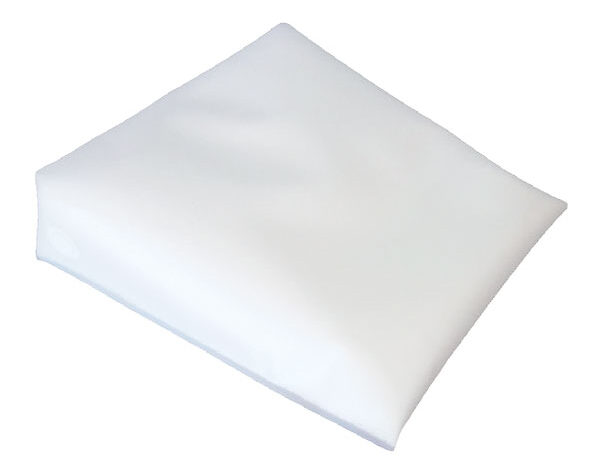
Some MRI positioning aids use a high-grade form of polystyrene pearls. These positioning aids function similarly to a beanbag and can easily conform to a patient’s body. The polystyrene pearls inside the positioning aids will interlock with each other when compressed. This provides a customizable and stable support option that helps distribute pressure around the patient’s body. The outer covers of many of these positioning aids are durable and flexible, allowing them to withstand repeated use and cleaning with compatible disinfectants.
Gel Positioning Aids
For some patients, foam positioning aids do not provide enough pressure relief for a pain-free scan. MRI facilities may use gel positioning aids as an alternative. Gel positioning aids typically use a medical-grade silicone or polymer-based gel that provides excellent pressure distribution. Some also include lightweight foam to combine the benefits of gel and foam materials.
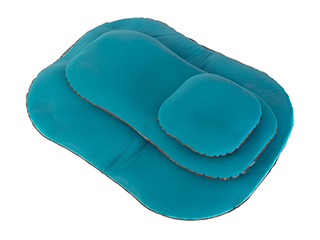
Gel positioners are available in many shapes and sizes to help patients maintain a natural and comfortable position. They are especially useful for patients who are susceptible to pressure ulcers or need to be in a prone position.
Some positioners, like those in the Nelo line, are designed to be rolled, stacked, molded, and folded to provide customized comfort and support.
Inflatable Positioners
Some MRI positioning aids can be inflated to help stabilize a patient or position them more easily. Some polystyrene pearl positioning aids, such as Multipad positioners, are inflatable. An air hand pump inflates the positioning aids while positioned between the patient and the coil. This helps stabilize the body part during the scan, reducing patient movement to help make the MRI images clearer.
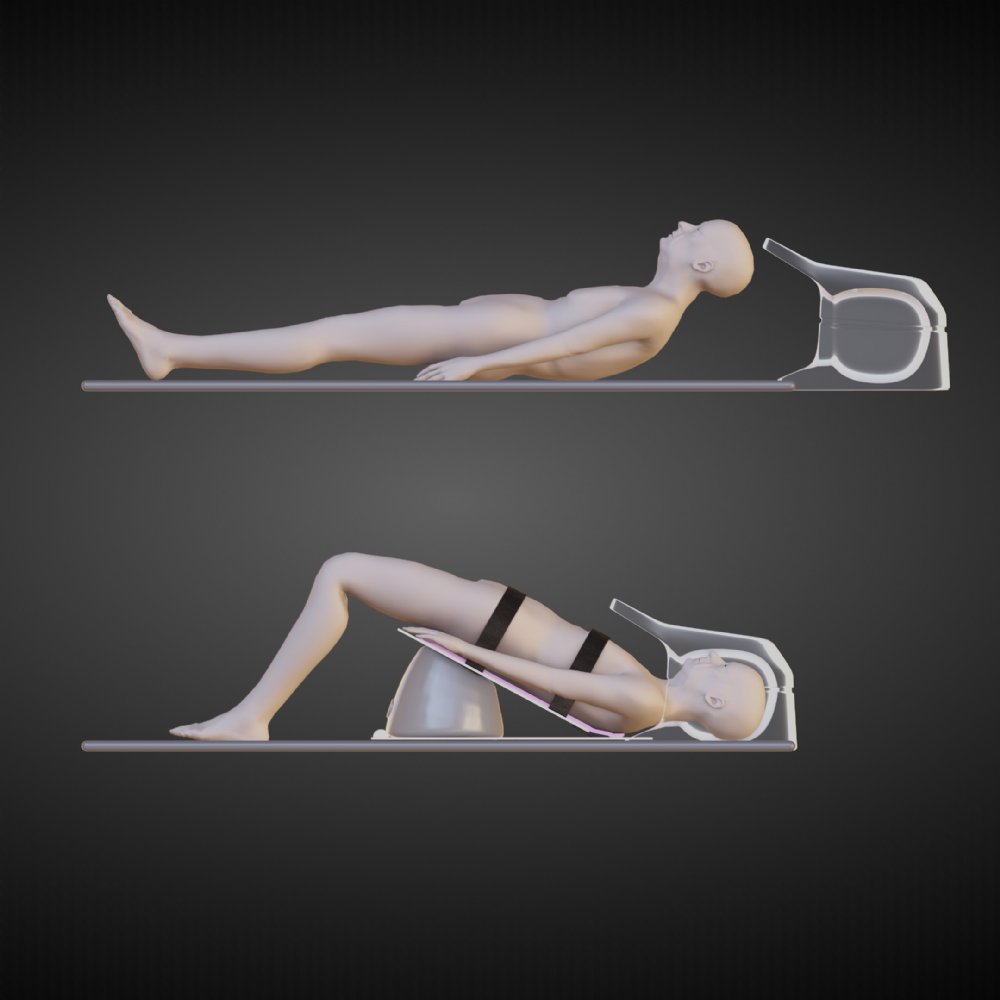
The KyphoLift is another inflatable positioner option. The system combines foam pads and wedges with an inflatable air bladder under a rigid platform to help angle and stabilize the patient in the correct position. This allows patients to stay comfortable while reducing the risk of lifting-related injuries for MR personnel, especially in low-staffing environments. The KyphoLift is especially beneficial for bariatric patients, older adults, patients with mobility issues, and patients with spinal conditions such as kyphosis.
Medical-Grade Sandbags
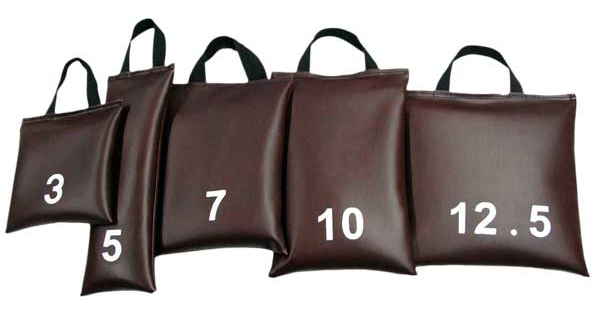
Medical-grade MR Safe sandbags use non-ferromagnetic materials and have durable exteriors such as nylon-reinforced vinyl or Naugahyde. Like other imaging sandbags, MRI sandbags are used to stabilize patients’ limbs, hands, and feet to prevent potential movement. MRI sandbags are also commonly used to help secure MRI equipment such as imaging coils and positioning blocks to prevent slippage.
No single positioning aid option can meet every patient’s needs. Therefore, MRI facilities commonly keep multiple options on hand to accommodate a patient’s size, comfort needs, and imaging requirements. Different positioning aids can be used in combination to help patients stay comfortable and safe. By considering both patient and facility needs, the MRI team can find the positioning aids that fit the facility’s budget, are long-lasting, and provide the best pressure relief needed during MRI scans.
Is MRI optimized for today’s growing demands? Read our blog post and start the conversation in patent positioning needs.
Frequently Asked Questions
Except for certain scan bands and straps, many MRI immobilization tools are made from foam or have inflatable designs. Immobilization tools are designed to minimize patient movement and support clearer imaging. However, some products provide both positioning and immobilization.
Some adult positioning aids can be used for older pediatric patients, but many pediatric positioning aids are smaller to better fit children. MRI positioning aids for infants are designed to provide positioning support and immobilization. These positioning aids are commonly made with foam or are designed as vacuum bag-style immobilizers that wrap around an infant like a swaddle.
Find the Right MRI Positioning Aids
MRIequip carries high-quality, durable positioning aids for various patient comfort needs. Browse our selection of foam, gel, inflatable, and sandbag positioners designed to provide stability, patient comfort, and RF burn protection.