
Medical and MRI facilities may face situations where they need an additional MRI machine on short notice. The current MRI scanner may need repairs, or there are not enough MRI machines to meet the increase in demand. A medical facility may consider having a permanent MRI but cannot afford the cost or facility renovations involved.
The solution to these and other situations can come in the form of a mobile MRI unit. These units have become a standard for short-term and long-term needs of various medical facilities. They provide a transportable solution with high-quality imaging and flexible rental or ownership options.
DISCLAIMER
This article is for general MRI education only. It does not replace official MRI safety training, facility standard operating procedures (SOPs), accreditation requirements, or clinical judgment. MRI procedures should always be performed according to the patient’s specific medical condition and the facility’s protocols.
What are Mobile MRI Units?
Mobile MRI units use some of the same MRI systems that many MRI facilities already use. These scanners are designed with mobility in mind, with some using little or no helium at all. Mobile scanners used are commonly 1.5T or 3T machines, allowing them to produce images comparable to many permanent MRI systems. Many mobile units use the latest MRI technology, software, and scanners in a condensed space. The most popular brands used for mobile unit scanners include GE HealthCare, Siemens Healthineers, and Philips.
Mobile MRI units are self-contained and quick to set up, with built-in heating, air-conditioning, and environmental controls for any location. Typically, the units are in the form of specially designed semi-trailers. These trailers are equipped with magnetic shielding and structured to protect the MRI system during transport. Besides the space for the MRI machine, mobile MRI trailers also have stairs, an ADA-compliant lift, and the control room. Some are large enough to have a dressing room available as well. Many facilities can rent mobile MRI units for short- or long-term use or buy one outright.
Many of the same equipment and products for permanent MRI systems are used in mobile units. Hearing protection, positioning aids, safety signage, and transport equipment are some important considerations for any MR environment, including mobile ones.
Reasons to Use a Mobile MRI
As mentioned earlier, there are many reasons why a medical facility may use a mobile MRI.
1. Repairs, Replacement, or Renovations
In many cases, a busy MRI facility may have one or more of their current MRI systems out of service or being replaced. A mobile unit can be brought in to help keep the facility running smoothly as the repairs or replacements are made. Mobile units may also be beneficial for facilities carrying out major renovations that prevent normal MRI operations.
2. Increased Scan Volume
There may be enough MR personnel to handle the number of patients receiving an MRI exam. However, there are times where there are not enough MRI machines to meet patient demand. A mobile unit can provide a temporary solution for facilities to keep up with demands without the cost associated with remodeling and installing a new fixed MRI.
3. Accessible Option for Rural Patients
There are many times that patients need to travel long distances to undergo an MRI. For many elderly patients and those with debilitating chronic conditions, it can be a difficult drive. Rural medical clinics and hospitals can rent a mobile MRI unit to cut down the travel distance for patients who need it. Different medical facilities can even split the cost of a mobile MRI by having it travel between them.
4. Test Run an MRI Unit
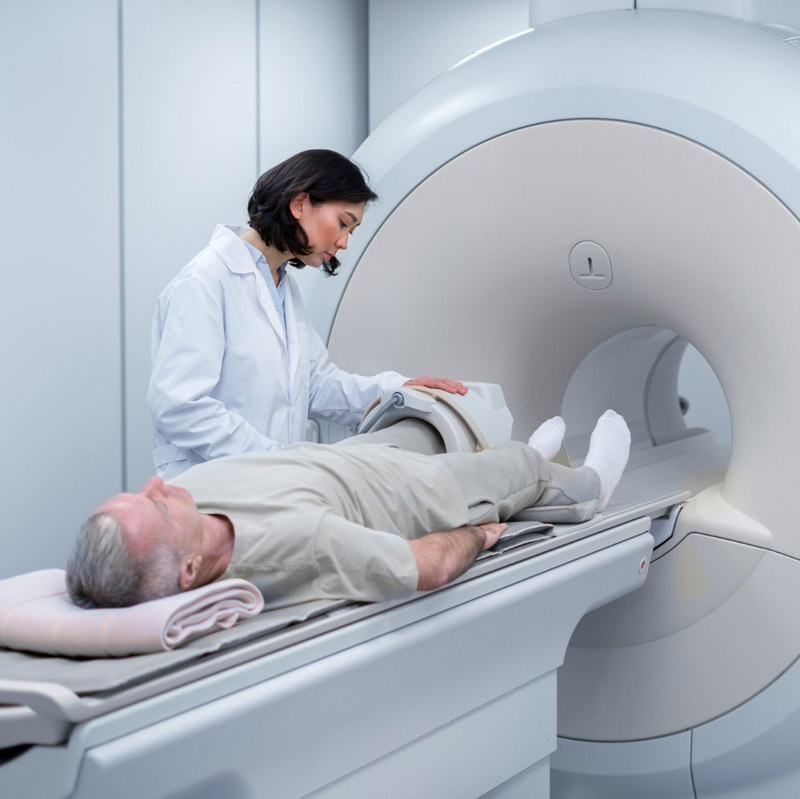
Some MRI facilities may be considering an upgraded machine, but they don’t want to invest in a new MRI system that doesn’t meet their clinical and operational needs. As many mobile MRI units use the latest MRI systems, facilities can rent these units to test run the MRI scanners before making a purchasing decision.
Other medical facilities without a scanner may consider adding an MRI to their location. However, with the millions of dollars needed for buying, renovating, and installing an MRI scanner, some facilities are unable to afford to do so. If they can, there may be uncertainty about whether the MRI will remain a worthwhile investment down the road.
Mobile MRI units for short- or long-term rentals can allow these facilities to determine if it would be beneficial to install a permanent MRI system. Some medical facilities may even buy a mobile MRI to use instead of doing major renovations, which may cost less than installing a permanent MRI system.
Safety Measures for Mobile MRI
Most safety protocols traditional MRI facilities follow also apply to mobile units with some modifications. Patients should be screened before they enter the mobile MRI unit to prevent ferromagnetic incidents or implant malfunctions.
Mobile MRI units are commonly parked outside a facility in a designated area. Because these units have a smaller footprint than traditional MRI departments, the parking lot surrounding the unit may serve as Zone II. The trailer interior is typically only large enough to accommodate Zones III and IV. However, some larger units may have enough space for a dedicated Zone II. It is recommended by the ACR to make safety considerations around the mobile MRI to prevent unnecessary hazards to vehicles, electronics, and pedestrians from the MRI machine. Mobile MRI trailers also have specialized quenching vents to prevent hazards for pedestrians outside the units.
Many medical and MRI facilities can benefit from using mobile units. Whether facilities need a temporary MRI during repairs or renovations, have additional scanning capacity during periods of high demand, or need to offer imaging services to a rural community, mobile units can provide the space and equipment to deliver high-quality service to patients.
Frequently Asked Questions
While the semi-trailer style of mobile units is the most common, some units can be in the form of a portable modular building. Modular mobile units can serve as a permanent or semi-permanent option for facilities needing additional space for their imaging needs while remaining relocatable if needed.
MRI facilities can have their own MR technologists running the mobile MRI units if staffing allows. Many mobile MRI rental services can provide trained in-person or remote MR technologists if a medical facility requires.
Yes, many mobile MRI units can use a refurbished MRI scanner. A refurbished MRI scanner can reduce the cost for renting or purchasing the unit.
Find MRI Products for Any MR Environment
Whether your facility operates a permanent MRI suite or a mobile unit, the same attention to MRI safety and patient comfort is essential. MRIequip carries MR Safe and MR Conditional transport equipment, patient comfort items, MRI procedure items, MRI respiratory items, MRI office supplies, and more to help support a safe, comfortable, and efficient MR environment.