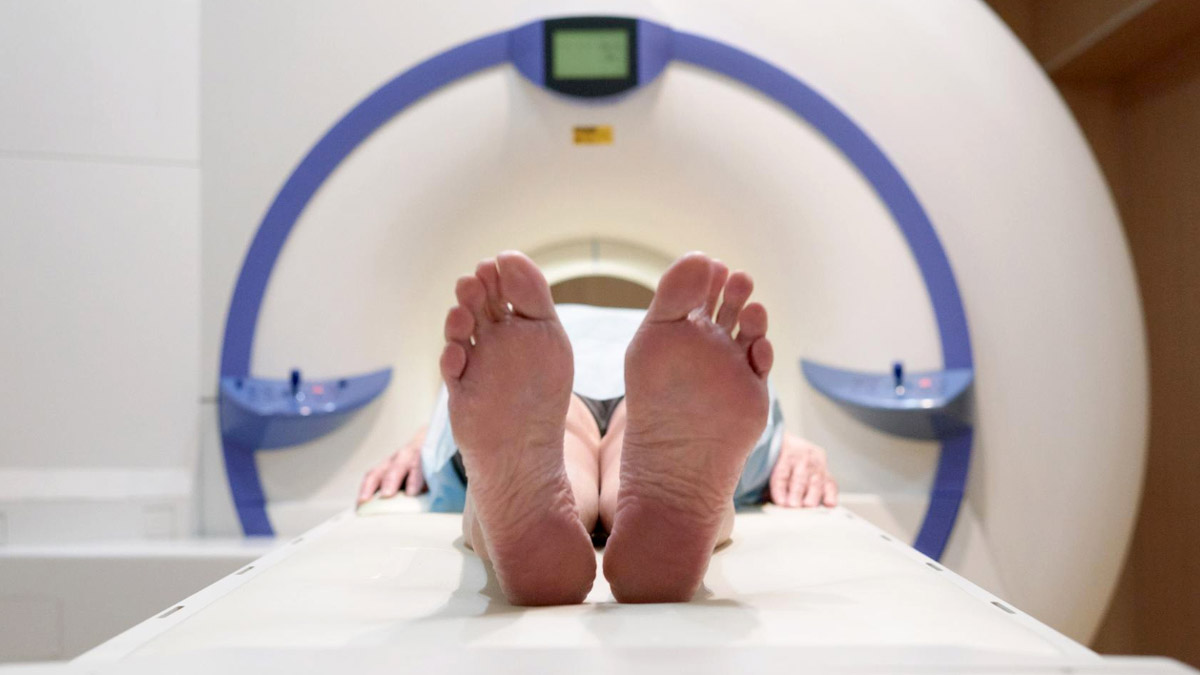
Every MRI patient is unique. Age, weight, medical condition, and physical situation can affect their experience during an MRI exam and how the MRI team performs the exam.
All patients go through similar safety screening, but patients with special needs require additional planning and accommodations. This can include specialized equipment, modified scanning protocols, and extra support from the MRI team.
This article highlights several patient groups that may require additional accommodations during an MRI exam and how those accommodations can improve patient safety, comfort, and image quality.
DISCLAIMER
This article is for general MRI education only. It does not replace official MRI safety training, facility standard operating procedures (SOPs), accreditation requirements, or clinical judgment. MRI procedures should always be performed according to the patient’s specific medical condition and the facility’s protocols.
Pregnancy and MRI
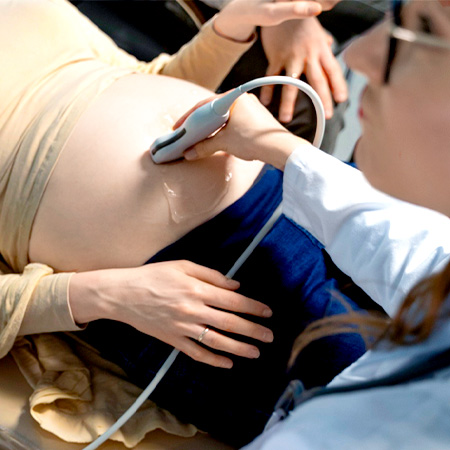
Multiple studies on MRI scans during pregnancies have shown no harmful effects on a developing fetus. However, MRIs are generally avoided during pregnancies unless a diagnosis cannot be done with other imaging methods or the scan cannot be delayed until after the pregnancy. It is important to notify the MR technologist and radiologist of possible or current pregnancies.
Ultrasound is the preferred imaging method for pregnant patients, but ultrasounds only provide so much information. In case an ultrasound shows an abnormality of the fetus or placenta, a fetal MRI may be ordered to collect more information. Due to the potential movement of the fetus during an MRI scan, the images may come out blurry. The MR technologist may take superfast snapshots instead to quickly capture images if the fetus is moving too much.
A pregnant patient may need to have contrast administered to improve image quality. However, the use of contrast, especially gadolinium contrast, during pregnancy is typically avoided. The contrast could potentially cause a broad set of inflammatory and skin conditions for the fetus and possible stillbirth or neonatal death.
For mothers who are breastfeeding, current guidance generally doesn’t require interrupting breastfeeding after gadolinium contrast administration. After discussing the risks and benefits with their healthcare provider, some breastfeeding mothers may choose to avoid contrast or pump and store enough breast milk for the following 12–24 hours based on personal preference.
Pediatric MRI Exams
Pediatric patients include newborns, infants, children, teens, and, in some healthcare settings, young adults. Younger pediatric patients may have greater difficulty than older pediatric patients, especially infants and young children. This is because they are unable to regulate their body temperature, and are more likely to move frequently and not cooperate due to their development. They may require sedation or general anesthesia to remain still during the examination.
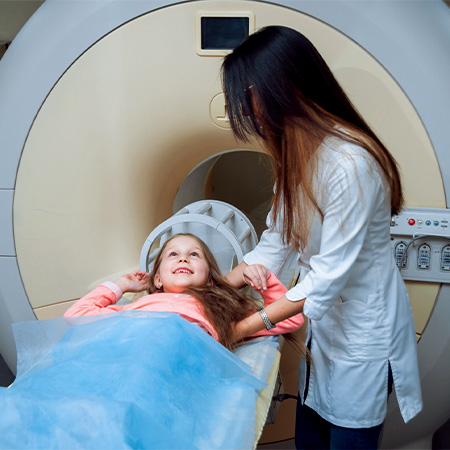
There are multiple MRI pediatric products that are designed for infants and young children. Properly sized hearing protection, position aids and immobilization equipment, and decorations and coloring books can make the scan a safe and comfortable experience. MRI suites and machines designated for pediatric patients are decorated with children-friendly stickers and images to create a welcoming environment. Pediatric patients could also have prism glasses to watch a movie outside the bore during the procedure.
A child life specialist may be called in to help pediatric patients learn about the MRI and help relieve the anxiety associated with the procedure.
Learn more about pediatric MRI equipment and patient accommodations.
Bariatric MRI Exams
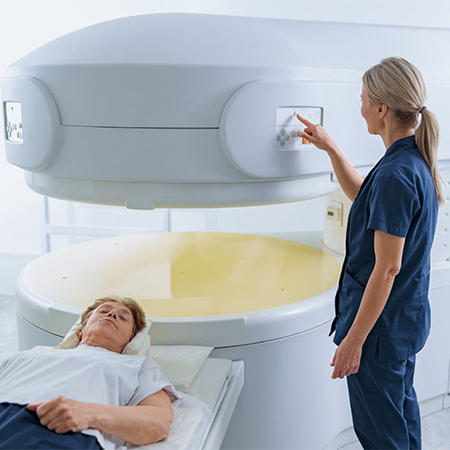
Bariatric patients may face additional challenges undergoing an MRI due to their size. Some MRI machine models and transport equipment are unable to accommodate bariatric patients’ sizes and weights. Traditional closed-bore MRI systems may result in skin contacting the bore or skin touching other areas of the body, increasing the risk of RF burns.
Alternate bore types like Wide-Bore MRIs and Open MRIs can be used to scan bariatric patients. Additional positioning aids and pads can be used to prevent RF burns from occurring. It’s recommended for bariatric patients to talk to their MRI team early to determine the right MRI machine and accommodations before the procedure date.
Learn more about bariatric MRI equipment and patient accommodations.
MRI and Implants or Foreign Metal
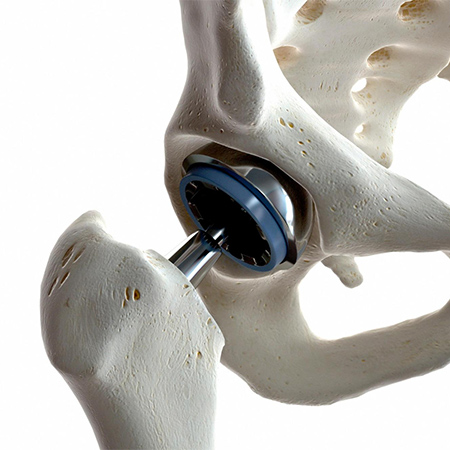
Many patients that come in for an MRI have some type of implant or have foreign metal bodies or shrapnel in their body. Proper screening and safety procedures need to be done before these patients have their MRI. If not properly evaluated and accommodated, implants could move, heat up, malfunction, or cause burns, depending on the device. Many modern implants are labeled MR Conditional and can be scanned under specific conditions.
Foreign metal bodies or shrapnel could cause injuries if they migrate through the body or heat up. It can be especially dangerous if metal is in or around the eyes, as it could potentially cause blindness.
Learn more about MRI implants and the screening process.
Claustrophobia and MRI
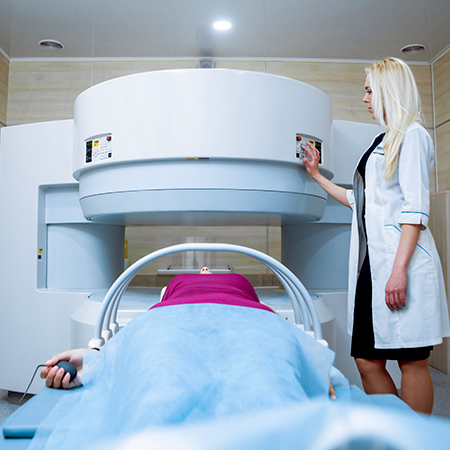
Many patients may have extreme anxiety and claustrophobia while undergoing an MRI. This can make getting the images and the scanning experience difficult. Some MRI facilities may have patients use a Wide-Bore or Open MRI for their procedure. Some techniques include the use of eye masks or prism glasses, continuous communication with the patient, and creating an overall comfortable environment with color lighting and projectors. A family member may also be allowed in the scan room for comfort after going through a safety screening.
For extreme cases, a mild sedative or anesthesia may be used to help the patient relax. If using sedatives or anesthesia, patients will need someone 18 years or older to drive them from the appointment after being released.
MRI Accommodations for Patients with Disabilities
Some of the most complex MRI accommodations involve patients with a disability.

Patients with mobility disabilities may have spinal cord injuries, neurological disorders, lower-extremity weakness, or musculoskeletal conditions. These patients may require mobility aids such as walkers or wheelchairs, experience pain or involuntary movement during the scan, or have implanted neurostimulators such as deep brain stimulation (DBS) systems used to treat Parkinson’s disease.
MRI facilities can provide accommodations to help meet these patients’ needs. The use of MR Conditional transport equipment, proper transfer techniques, safety protocols for implants, positioning aids, and possible general anesthesia are tools the MRI team can use. Some patients who cannot lie down on a traditional scan table due to pain or spinal injury could potentially use an upright open MRI to sit throughout the examination.
Learn more about MRI patient transport and transfer equipment.
Patients with hearing impairments may need additional accommodations for their MRI exam. The MRI team can provide patients who are deaf or hard of hearing with written instructions, visual cues, and sign language interpreters when available to help patients communicate and understand the procedure.
Cognitive disabilities have their own form of challenges for patients and MR personnel. Patients with autism or Down syndrome can have issues communicating with the MRI team, become anxious or distressed during an exam, and may be especially sensitive to MRI acoustic noise, lighting, or unfamiliar environments. Patients with dementia, Alzheimer’s disease, or traumatic brain injuries affecting memory may have similar issues with the addition of potentially forgetting where they are in the middle of the scan.
Having a familiar person in the room, hearing protection, explaining the process beforehand, and possible use of anesthesia can help these patients have a more comfortable and successful MRI.
MRI Exams for Prisoners and Parolees

MRI procedures for prisoners and parolees can be challenging, especially for the accompanying officers. Both prisoners and officers need to be screened for implants and foreign metal objects before entering Zones III and IV. All ferromagnetic objects must be removed, including ferromagnetic security restraints and weapons. Handcuffs are commonly replaced with plastic or nylon zip-cuffs. Officers would need to understand MRI safety and work with the MR technologist to figure out precautions and emergency procedures before the scan begins.
Parolees may wear monitoring devices that include RFID tags or tracking bracelets. These items can potentially become damaged, cause injury to the patient, or create image artifacts. The MRI facility may request removal of these devices and the presence of an accompanying officer during the scan when appropriate.
When Sedation or Anesthesia Is Needed
Many patients such as young pediatric patients, claustrophobic patients, and patients with certain medical conditions may have difficulties lying still and staying calm during an MRI exam.
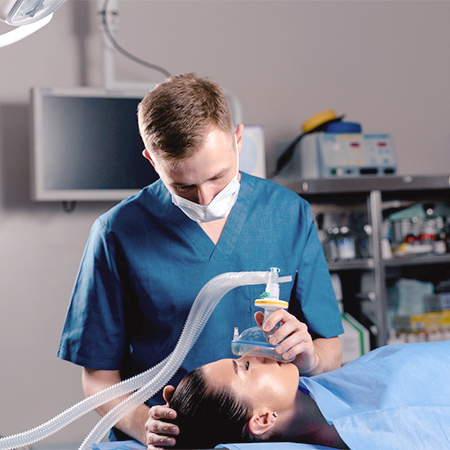
The use of sedatives or general anesthesia can help these patients remain relaxed and still through their exam. For these patients, an anesthesiologist is present to monitor them and administer the sedative or anesthesia through oral medication, intravenous medication, or inhaled anesthesia.
Many MRI facilities try to avoid the use of anesthesia as much as possible. A longer preparation and recovery time is needed for patients undergoing an MRI with anesthesia. This may extend the appointment by an hour or more, and can slow down the MRI facility’s workflow. Patients also need someone to drive them home after the appointment because sedation and anesthesia may cause temporary side effects or allergic reactions. It is important to discuss with your MRI team the use of sedatives or general anesthesia during the MRI.
MRI exams are not a one-size-fits-all. MR personnel must be prepared to accommodate each patient’s unique medical, physical, and emotional needs. Proper screening protocols, safety guidelines, appropriate equipment, and interpersonal communication between the MRI team and patient can all help make a comfortable and safe MRI experience. By identifying patients’ needs before the exam, MRI facilities can improve patient safety, image quality, and overall comfort.
Frequently Asked Questions
Before your appointment, tell your MRI team about any medical conditions, recent surgeries, potential or current pregnancies, disabilities, weight and size, implants or foreign metal objects, allergies, potential claustrophobia, and any medication you are currently taking.
Only your healthcare provider and MRI team can determine whether additional sedation is appropriate. Tell them about any anxiety medications you already take before your MRI appointment.
Some MRI patients need additional monitoring because of medical conditions, sedation or anesthesia, specialized equipment, or other factors that require closer observation during the exam.
Browse Accommodating MRI Products
MRIequip offers a wide range of MRI products that help MRI facilities safely accommodate patients with different medical, physical, and mobility needs. From pediatric– and bariatric-specific products to patient comfort aids, transport equipment, respiratory products, and positioning aids, our solutions are designed to support safer, more comfortable MRI examinations.