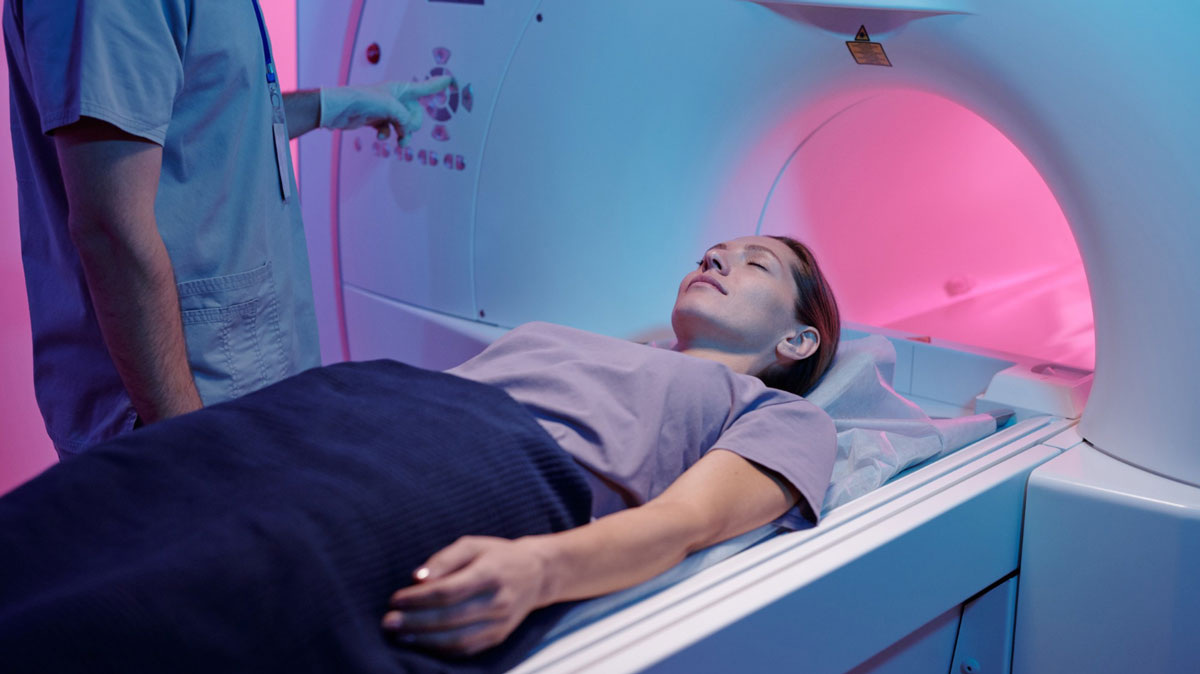
For many patients, MRI scans can be one of the most uncomfortable experiences.
Traditional Closed MRIs have narrow bores that can make some patients feel like they are being squeezed into a tight tube with no way out. In normal operation, the MRI produces loud acoustic noises like banging, knocking, and humming. Without appropriate hearing protection, these sounds can be uncomfortable and may pose a risk of hearing damage. Lying in one position for over 15 minutes can cause stiffness and increase the urge to move. Even the cool temperature of the MR environment can become unpleasant.
Any or all of these factors can create anxiety, making it difficult for patients to stay relaxed throughout the scan. The anxiety and discomfort patients may experience can make it hard for them to remain still, causing motion artifacts that may require additional scans.
MRI manufacturers and MRI facilities continue to make patient comfort a priority. For any patient, various comfort items can be used to help alleviate anxiety and discomfort during MRI scans.
MRI Communication & Patient Monitoring
One of the most important things that MRI facilities can do is provide a way for patients to communicate with MR personnel. An MRI squeeze bulb is commonly provided to patients during scans. The squeeze bulb reassures patients that they can alert MR personnel if they need assistance or wish to stop the examination.
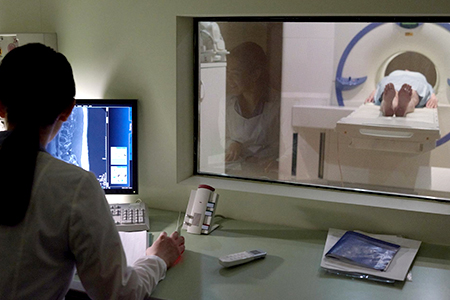
Other MRI communication and monitoring tools also include MRI patient communication devices, patient motion trackers, MRI bore cameras, and remote intercoms. These tools allow MR personnel to continually monitor patients while patients have the comfort of being heard and seen throughout a procedure.
The inclusion of an MRI Room Alert System can provide additional comfort for both patients and MR personnel. This system can allow immediate notice to help during emergencies with options of voice activation and a push button.
MRI Positioning Aids
Any movement during the scan can cause imaging artifacts, requiring repeat imaging to obtain diagnostic-quality images. Lying in one position from 15 minutes to an hour can become uncomfortable quickly for many patients, even painfully so. MRI positioning aids can come in a variety of materials and designs such as foam, gel, viscoelastic urethane, and adjustable air pump pads.
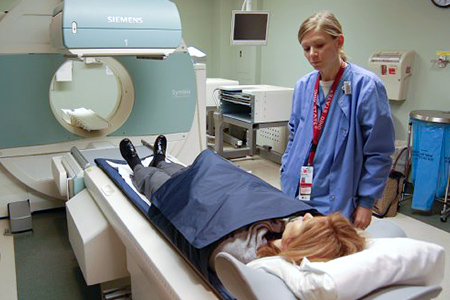
MRI positioning aids help reduce pressure points, improve body alignment, and reduce muscle fatigue for certain positions, creating the comfort needed during longer scans.
Positioning tools and accessories to help with immobilization can also be helpful to prevent unnecessary movement. These can be especially helpful for pediatric patients, patients with movement disorders, and patients with spinal and head traumas to keep them correctly positioned and still throughout the scan. MRI immobilizers are typically designed with both comfort and stability in mind.
MRI Hearing Protection
The MRI produces loud bangs, vibrations, and knocking noises through the procedure as it takes pictures of the body. These sounds can remind someone of construction work or traffic.
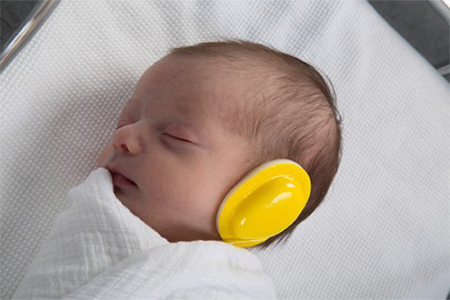
The acoustic noises can make the scanning process uncomfortable, along with potentially damaging hearing. MRI facilities can provide various hearing protection options like earplugs, earmuffs, or a combination to cut down on the noise. Patients can also have the option of using MR Conditional sound systems and headsets to listen to music to help mask MRI acoustic noises.
There are also MRI neonatal noise guards for the smallest of patients to protect their hearing.
MRI Eyewear & Visual Products
There are various eyewear options available for patients to use during MRI scans. Patients can wear MRI eye masks to block their view of the MRI bore to help alleviate claustrophobia symptoms. MRI prism glasses let patients see outside the bore and not the top of the inner bore. These glasses can also let them watch a show on an MR Conditional TV outside the bore if desired.
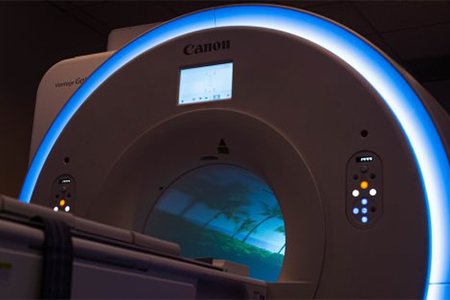
Besides MRI TVs, MRI facilities can also incorporate artificial sky ceilings and immersive projection systems to bring comforting scenes right into the MR environment. These products can create a comforting environment customized to patients’ preferences, helping create a more relaxing and less clinical environment during the examination. Even calm colored lighting can make an otherwise sterile white MRI room a more welcoming space.
Additional MRI Patient Comfort Items
Everyday clothes can potentially include metal in some form, from fibers to fasteners. This can increase MRI safety risks, including causing potential RF burns on patients. Pockets may also contain forgotten ferromagnetic items that must be removed before entering the MR environment. To prevent risks and simplify patient preparation, MRI facilities commonly provide patients with pocketless MRI gowns or scrubs. These medical garments allow patients to change into MRI-appropriate clothing and help create a safer and more comfortable scanning experience.
MRI systems generate heat during normal operations. The machine and the room are maintained at cooler temperatures to allow the MRI to function well throughout the day. Because of this, the MRI room is typically chilly for many patients. Patients are commonly provided MRI blankets to stay warm and not shiver while getting their scan done.
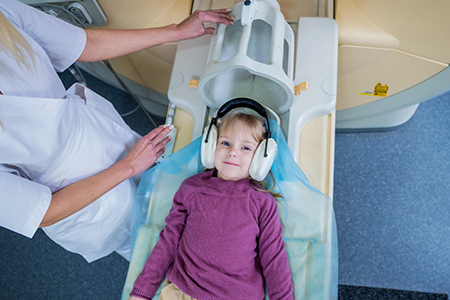
Children can become very anxious during MRI exams. Many comfort items that were covered earlier are offered in pediatric sizes for hearing and positioning needs. MRI facilities can provide MRI-themed coloring books to teach children what happens during an MRI in a fun and interactive way, which can also help children have a more comfortable scanning experience. MRI pediatric wall and machine decals can create a child-friendly MR environment, helping to alleviate fears for children during exams. MRI facilities can also provide stickers and award certificates to pediatric patients after their scan is completed.
Challenges and Solutions at a Glance
Frequently Asked Questions
No. While some comfort products help patients with claustrophobia, many are designed to improve comfort for anyone undergoing an MRI. Hearing protection, positioning aids, blankets, communication devices, and pediatric comfort products can benefit patients regardless of whether they experience anxiety or claustrophobia.
Not always. The comfort items used during an MRI depend on the type of examination, the patient’s age, medical condition, comfort level, and the MRI facility’s available equipment. Some patients may only need hearing protection, while others may benefit from additional positioning aids, communication devices, or visual comfort products.
Policies vary between MRI facilities. Patients should always check with their MRI provider before bringing personal items such as blankets, earplugs, pillows, or eye masks. Any item brought into the MRI room should be reviewed and approved by MR personnel before use.
Creating a Better MRI Patient Experience
No single comfort product can address every challenge a patient may experience during an MRI exam. However, combining multiple comfort items can significantly improve the scanning experience for patients and allow them to remain still throughout the scan.
MRIequip carries a wide variety of MRI patient comfort items, including positioning aids, eyewear, hearing protection, patient monitoring systems, and more to help MRI facilities improve patient comfort throughout the MRI process.