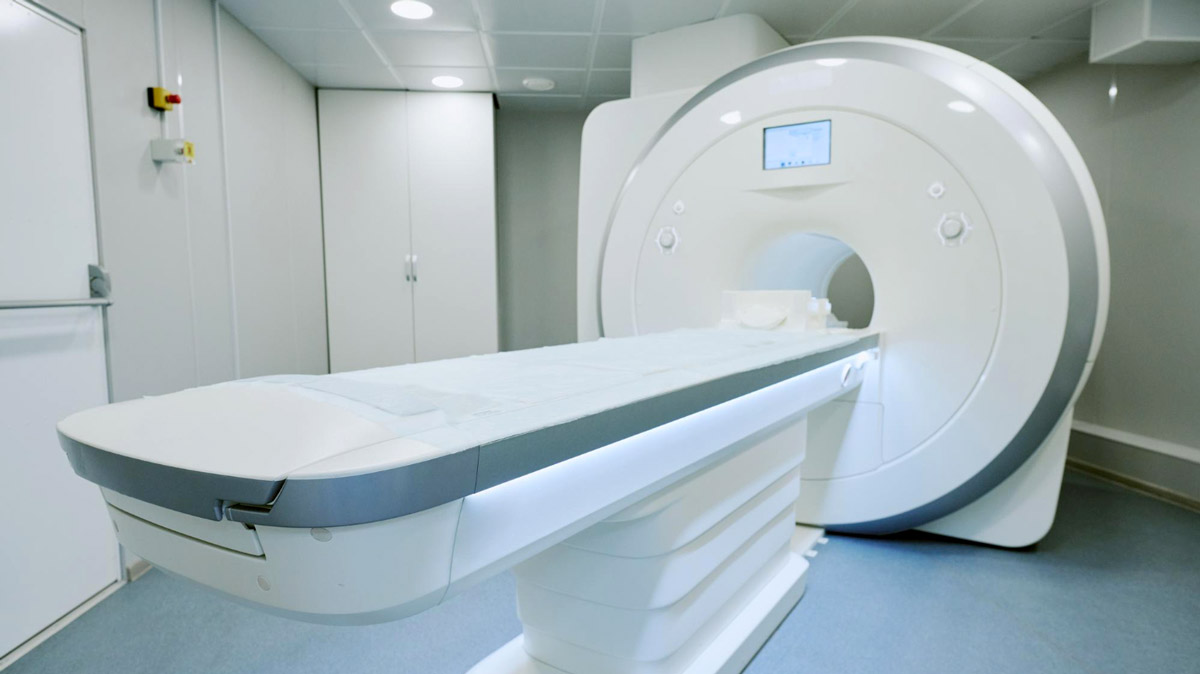
Patients going through an MRI scan have unique needs and situations that must be considered. Bariatric patients often face unique challenges when undergoing an MRI scan. Their weight and size can limit their access to receiving a scan and can cause issues during a scan.
The unique issues posed to bariatric and large-bodied patients require equipment that can accommodate their size and weight. Bariatric MRI transport equipment, positioning aids, and alternate MRI bore styles allow bariatric patients to have a comfortable and safe MRI scan.
MRI Issues for Bariatric Patients

Many MRI scanners today can’t always accommodate bariatric patients due to size and weight limitations. Standard closed bore MRI machines have weight capacities of 300-400 lbs. They are typically quite narrow, with the scan tables between 50-60 cm (19.69”-23.62”) depending on machine brand and model.
Bariatric patients may exceed the weight limit of these scanners, which could prevent them from receiving an MRI scan. The narrow space of standard MRI machines can also cause claustrophobia, leading to higher anxiety and stress during the procedure. Some MR Conditional wheelchairs and stretchers also don’t work due to low weight capacities and narrow seats and beds.
Due to body size and positioning considerations, bariatric patients may have an increased risk of RF burns during MRI examinations. Narrow bores of standard MRI scanners can lead to bariatric patients making skin contact with the bore walls. The increased body mass of bariatric patients can also mean extra skin-to-skin contact areas for conductive loops to form, increasing the risk of RF burns.
These various issues can lead to bariatric patients having discomfort and pain during an MRI, something MRI facilities work to avoid.
MRI Solutions for Bariatric Patients
Luckily, there are solutions for bariatric patients to have a scanning experience that accommodates them.
Wide-bore MRI machines and open MRI systems offer alternative bore styles that can give extra space for bariatric patients. Wide-bore scanners have wider scan beds and bores, offering a more comfortable and safer MRI scan. These systems also offer higher weight capacities, with many models accommodating 500 lbs. or more.
The body mass of bariatric patients can sometimes affect image quality due to imaging field-of-view limitations and challenges with coil positioning. MRI facilities may use different MRI systems, coils, or imaging protocols to obtain diagnostic images for bariatric patients. Bariatric MRI wheelchairs and stretchers are available for patient transport needs.
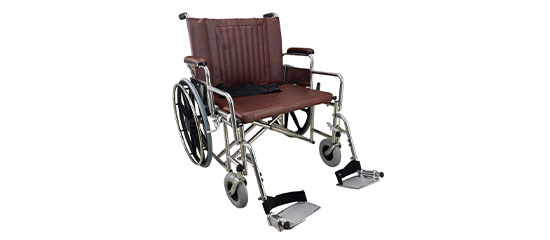
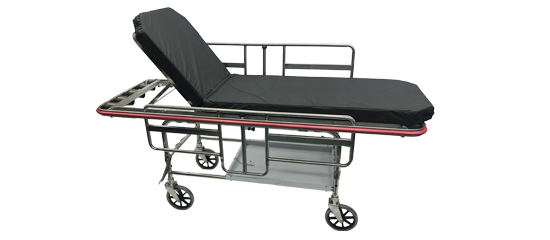
With the difficulty of transferring larger patients, MRI staff members need to account for the physical demands to prevent lift-related injuries. Different bariatric transfer equipment, such as bariatric step stools and bariatric patient transfer boards, allow safe transfers and prevent unnecessary injuries to patients and staff members.
Preventing RF Burns for Bariatric Patients
As the possibility of RF burns is higher for bariatric patients, extra caution and protection need to be taken. Positioning aids and pads help patients lay comfortably during their scans to prevent movement. These aids can shield bariatric patients from touching the MRI bore sides. Positioning aids also prevent skin-to-skin contact in places where bariatric patients need it, such as between thighs and under larger skin folds.
Bariatric patients go through traditional MRI safety screening like other MRI patients for health concerns and potential safety hazards. This includes screening for metallic objects and implants that may require removal or review.
Planning for Bariatric MRI Exams
Many MRI facilities ask a bariatric patient about their weight and approximate body size when scheduling a scan. The answers help MRI staff determine which of their MRI machines would accommodate the bariatric patient, along with the best bariatric equipment and positioning aids. Early planning can prevent scheduling delays and improve patient comfort.
MRI facilities should always verify MRI system, wheelchair, stretcher, and transfer equipment weight capacities before patient transport or imaging. MRI equipment specifications, MRI system dimensions, and weight capacities vary by manufacturer and model. Always verify equipment compatibility and MRI safety labeling before use.
Frequently Asked Questions
Not all MRI facilities have equipment that can accommodate every patient size or weight. Patients may be referred to a facility with a larger MRI bore, higher table weight capacity, or specialized bariatric MRI equipment.
Wider wheelchairs and stretchers can improve patient comfort, support proper positioning, and provide extra room for larger patients during transport. They also make transfers safer and easier for both patients and healthcare staff.
Exam times vary depending on the type of scan being performed. More time may be needed for patient positioning, transfers, safety screening, or equipment setup.
Browse Bariatric MRI Equipment
Bariatric patients often require specialized equipment to support safe transport, positioning, and imaging. MRIequip carries various bariatric MRI wheelchairs, stretchers, gurneys, step stools, transfer tools, and positioning aids to help provide a safe and comfortable scan for bariatric patients.