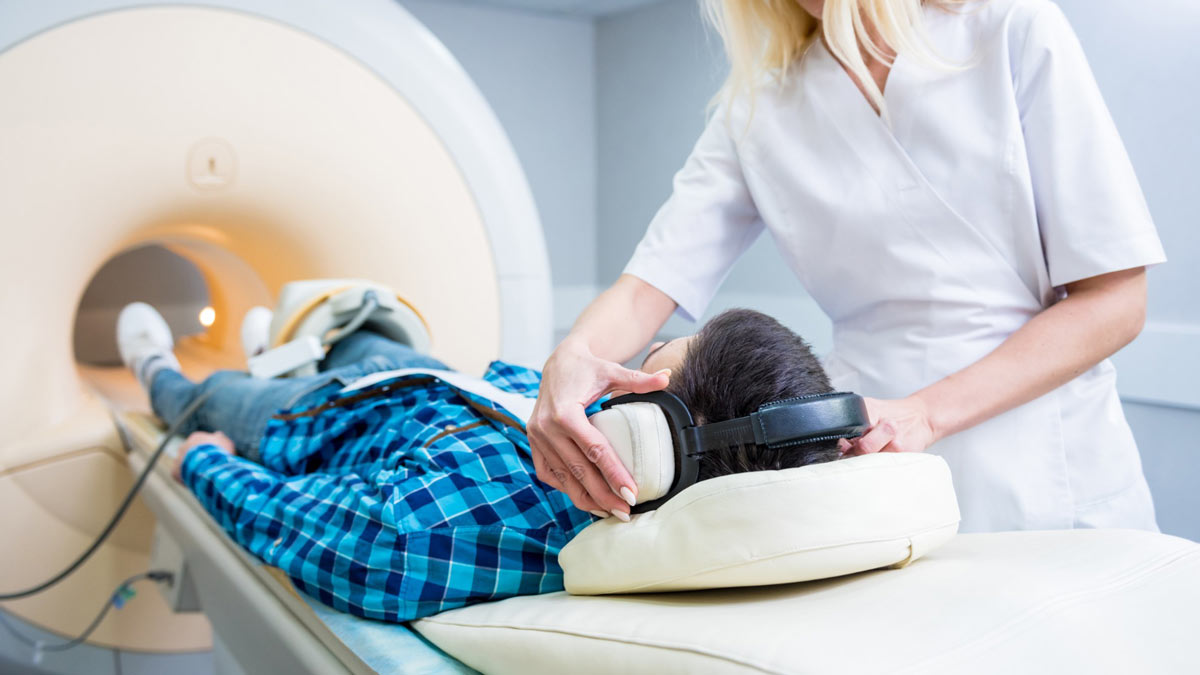
MRI suites are commonly located within hospital and healthcare systems, which means facilities must follow MRI safety guidelines to protect patients, visitors, and staff.
The American College of Radiology (ACR) Manual on MRI Safety is widely recognized as a leading MRI safety guidance resource. The 2026 update is available on the ACR website. Facilities commonly use the ACR Manual on MRI Safety to develop MRI safety policies and procedures that fit their unique needs.
MRI equipment labeling commonly follows ASTM International terminology standards for MR Safe, MR Conditional, and MR Unsafe classifications.
This post will summarize key MRI safety guidelines, including MRI safety zones, screening procedures, MR personnel training, MRI equipment, and emergency MRI safety procedures. MRI safety procedures may vary between facilities depending on scanner configurations, patient populations, and accreditation requirements.
DISCLAIMER
This article is for general MRI education only. It does not replace official MRI safety training, facility standard operating procedures (SOPs), accreditation requirements, or clinical judgment. MRI procedures should always be performed according to the patient’s specific medical condition and the facility’s protocols.
MR Personnel & MRI Safety Training
MR personnel routinely work in and monitor the MR environment and go through in-depth annual safety training appropriate to their role. These personnel include MRI technicians, MRI nurses, and MRI support staff, among others. MR personnel are generally categorized as either Level 1 or Level 2 MR personnel.

Level 1 MR Personnel
Level 1 MR personnel have basic MRI safety training, work regularly in the MR environment, and are prepared to respond to MRI emergencies. However, they typically do not independently supervise non-MR personnel within restricted MRI areas.
Level 2 MR Personnel
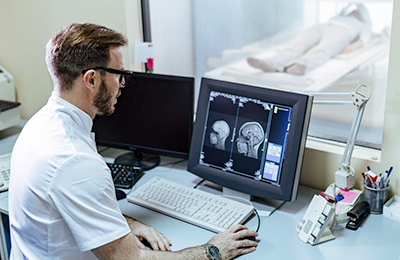
Level 2 MR personnel have more extensive training compared to Level 1, and typically have additional education related to the field, such as radiofrequency-related safety, implanted device safety, and contrast agent safety. They supervise access into restricted MRI zones and are responsible for monitoring patients, visitors, staff, and equipment entering Zones III and IV.

Non-MR Personnel
Non-MR Personnel refers to individuals who have not completed MRI safety training or who do not routinely work within the MRI environment. Patients and visitors are considered non-MR personnel, along with hospital faculty and staff who have not gone through safety training. Non-MR personnel should always be supervised by Level 2 MR personnel when entering restricted MRI areas.
Signage & Access Control
The MR environment is commonly divided into four zones to help control access and reduce MRI-related hazards. The locations of each of these zones will vary depending on the MRI magnetic fringe field and the layout of the MRI facility’s rooms.
It is important to include signage to clearly mark the threshold of each zone. Signage can include wall signs, floor mats, door signs, plaques, swinging-door signs, and illuminated signs. Besides marking zone locations, signage should also include safety guidelines, items that should not enter the MRI suite, restricted areas, and a reminder that the magnet is always on.
Zone I
Zone I is the publicly accessible area outside the controlled MRI environment. The magnetic field is the lowest here, and there are no restrictions on who is allowed in the zone. Patients and visitors typically transition from Zone I into Zone II for MRI screening and preparation under the supervision of a Level 2 MR personnel member.
Zone II
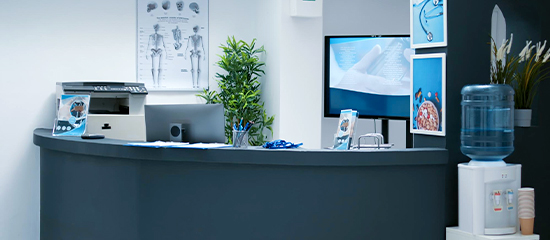
Zone II is the interface between the public areas of the hospital and the controlled MR environment. It is where the MRI reception, waiting area, and dressing rooms are located. Patient screening and ferromagnetic detection are commonly done here in preparation for the scan. Once screening is completed, the patient can then move to Zone III under the supervision of Level 2 MR personnel.
Zone III
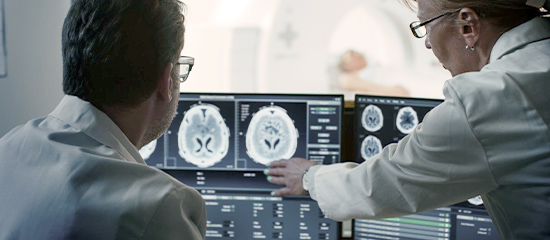
Zone III is a highly controlled area that holds the MR operator console and associated support areas. Because of direct access to Zone IV from Zone III, strict access control measures are extremely important. This area is monitored by Level 2 MR personnel, and the doors of Zone III are required to be self-closing and self-locking. With the area having restricted access, locking systems such as reliable key locks or radiofrequency identification (RFID) cards or similar access-control badges should be used. Facilities should implement reliable access control methods that reduce unauthorized entry risks.
“MRI Restricted Area” and “Screened MRI Patients and MRI Personnel Only” signage in Zone III serves as a clear indication of the zone being a restricted MRI area. Only properly screened patients, MR personnel, and approved MR Safe or MR Conditional equipment should enter Zone III.
Zone IV
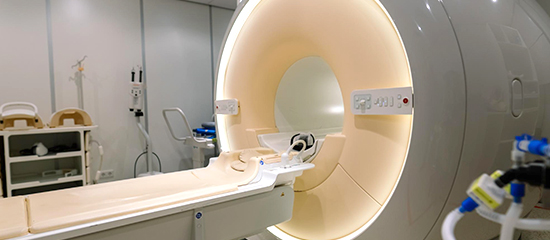
Finally, Zone IV contains the MRI scanner magnet itself. Above the doorway to this area should be an illuminated “Magnet Always On” sign or similar, with some facilities having a backup battery for the sign in case of power outages. Access to Zone IV should remain controlled and monitored by Level 2 MR personnel.
Temporary caution barriers may be used at the entrance during patient transport or maintenance activities. These barriers could include retractable belt barriers, plastic chains, or swinging door barriers. Like Zone III, Zone IV is restricted to only screened individuals and approved MR Safe or MR Conditional equipment.
Screening Procedures
All patients, staff, contractors, and visitors should undergo MRI screening before entering Zones III or IV.
Typically for patients, a written or electronic screening form should first be completed in Zone II. The answers are then verbally reviewed by Level 2 MR personnel to identify possible risks or contraindications.
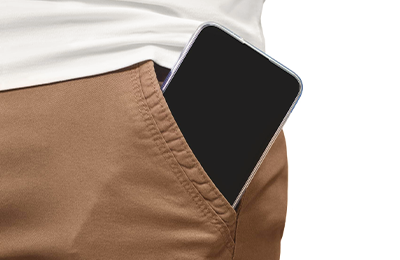
Once the screening form has been reviewed and approved, patients must remove metallic or ferromagnetic items and devices. These include pens, phones, hearing aids, body piercings, clothing containing metallic components, and more. Facilities commonly require patients to change into MRI gowns without metallic components or pockets to help reduce projectile hazards and RF burn risks.
MRI personnel commonly perform a final check before patients enter Zone IV. This usually involves a final visual inspection, confirming the patient’s identity, and preparing the patient for the potential use of contrast or implant-related safety considerations. Depending on the facility, ferromagnetic detection systems may also be used for extra precautions and an extra layer of security.
Special considerations are made for pediatric patients, unconscious patients, emergent patients, and companions.

Screening of MR Personnel
MRI personnel should also complete an initial MRI safety screening process before working within the MR environment. Annual updates are commonly recommended to identify new implants, injuries, or medical conditions. MR personnel would not need to fill out a screening form each time they enter the MR environment but may be screened for ferromagnetic materials before entering Zones III and IV.
MR Safe and MR Conditional Equipment
As a quick overview of our blog post on the topic, any items or equipment that could potentially enter the MRI environment should be labeled as MR Safe, MR Conditional, or MR Unsafe. Standard hospital equipment should generally be considered MR Unsafe unless specifically tested and labeled otherwise. Patients with implants or medical devices should be evaluated according to manufacturer labeling and facility protocols before entering restricted MRI areas.
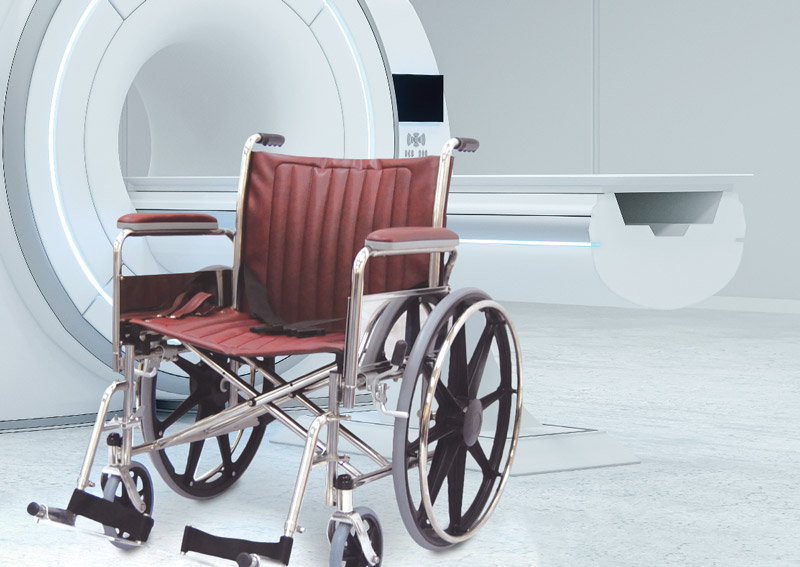
MR personnel commonly use MR Conditional wheelchairs, stretchers, or walkers to transport patients to their scans. Once in the MRI room, patients should be given MR Safe or MR Conditional hearing protection to prevent hearing loss from the MRI acoustic noise. Positioning pads, monitoring equipment, oxygen tanks, fire extinguishers, and additional patient support equipment should be MR Safe or MR Conditional to provide patients with the comfort and medical necessities needed during the scan.
Learn more about MRI equipment classifications in our guide to MR Safe, MR Conditional, and MR Unsafe equipment.
Emergency Safety
One of the most important MRI safety principles to remember is that even in emergencies, the MRI magnet is always on. MR personnel should understand facility emergency procedures and the function of MRI emergency shutdown systems. The complete shutdown of the magnet, known as quenching, should only be done in life-or-death situations.
Emergency Table Stop & Emergency Power Off
Two safety switches should be considered before proceeding with a quench.
The Emergency Table Stop halts table movement if patient injury or equipment entrapment risks will worsen if the table continues moving. The Emergency Power Off switch shuts down electrical power to MRI system components and related equipment. This switch may be used during fires, floods, electrical hazards, or other environmental emergencies.
These switches do not deactivate the superconducting magnet. The same restricted access must be enforced even with emergency personnel.
Quenching
In extremely dangerous situations, the Emergency Magnet Off (Quench) switch should be used to rapidly vent the liquid cryogen (such as helium) to take the MRI magnet out of superconducting mode.
A quench should only be considered during life-threatening emergencies, such as uncontrolled fire or severe entrapment situations. Quenching does not need to be done during a medical code if the patient can be safely removed from Zone IV for resuscitation.
Common MRI Safety Risks in Hospitals
Hospital and MRI facilities should continually monitor for common MRI safety hazards. These can include RF burns, implant-related injuries, unauthorized access into restricted MRI zones, ferromagnetic equipment hazards, and inadequate patient screening. Consistent MRI safety training, screening protocols, signage, and use of MR Safe and MR Conditional equipment can help reduce these risks.
Frequently Asked Questions
Level 1 MR personnel are staff members who work regularly in the MR environment and have basic MRI safety training. Level 2 MR personnel are staff members with extensive MRI safety training, additional education related to the field, and are responsible for monitoring restricted zones, equipment, and individuals.
Common MRI screening procedures for patients include completing an MRI screening form, removing metallic or ferromagnetic items, and going through a ferromagnetic detection system depending on the facility’s protocols.
The MRI magnet should only be quenched in life-or-death situations such as an uncontrolled fire or severe entrapment. Quenching rapidly takes the magnet out of superconducting mode and should only be performed according to facility emergency procedures.
MRI facilities are commonly divided into four safety zones ranging from publicly accessible areas (Zone I) to the MRI scanner room itself (Zone IV). These zones help control access and reduce MRI-related hazards.
Shop MRI Safety Equipment
MRIequip carries a variety of MRI equipment including MRI transport equipment, MRI safety signage, MRI fire extinguishers, and patient comfort items to promote safe MRI scanning procedures.